Environmental Protection
Citizens Committee to Save Elysian Park v. City of Los Angeles
Case Summary
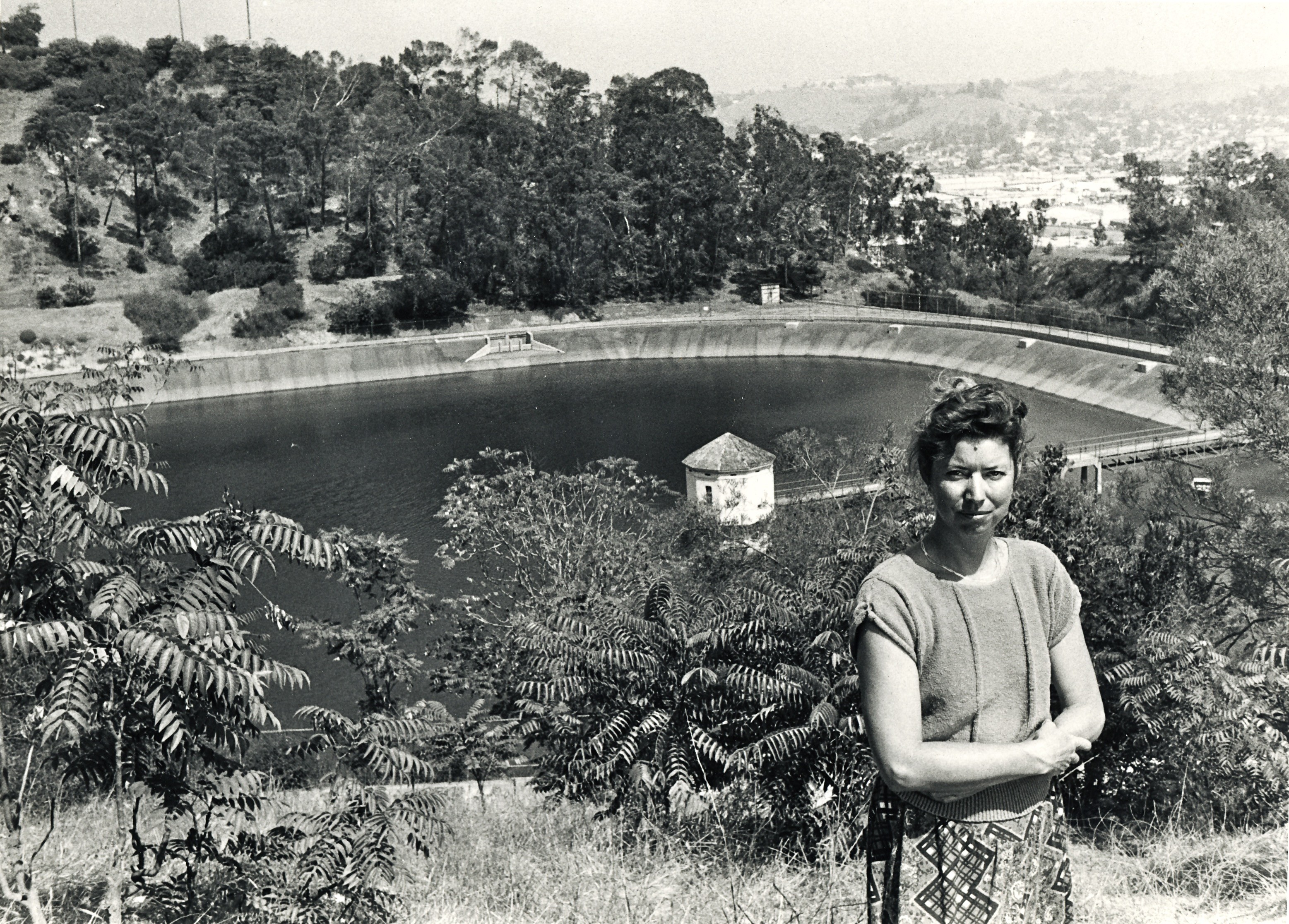
During the course of litigation challenging LADWP’s proposal to comply with updated Clean Water Act requirements by covering the Elysian Park reservoir with an unsightly metal roof, LADWP revealed its scheme to cover virtually all currently open reservoirs. After widespread public outcry, LADWP agreed to mediate with neighborhood groups regarding its proposals for each reservoir, based on suitable new environmental studies.
Additional Information
In the late 1980’s, CLIPI went to court to prevent the LADWP from covering up Elysian Reservoir located in the midst of Elysian Park. LADWP proposed to cover the reservoir with an “ugly tin roof” as the cheapest means of meeting new water quality standards. More expensive alternatives that could meet those standards (e.g., cleansing the water in a mini-treatment plant after it leaves the reservoir, etc.) were not analyzed in an environmental impact report or elsewhere.
CLIPI’s litigation efforts soon revealed that LADWP envisioned covering almost all of Los Angeles’ reservoirs. Led by homeowners living near Hollywood, Stone Canyon, Encino, Silverlake and other reservoirs, a firestorm of political protest swept City Hall. LADWP backed down and agreed to pursue, for each reservoir, an extensive mediation process with various citizen groups representing both the public at large and nearby homeowners. LADWP agreed to explore all feasible alternatives and to appropriate sufficient moneys to implement the agreed-upon solutions.
Pursuant to that process, LADWP constructed two giant underground 1.5 million gallon water tanks to supply water previously supplied by the Hollywood Reservoir. With the giant new tanks buried at Hollywood, LADWP simply took the beautiful reservoir out of service, while maintaining its water levels at historic elevations. Similar new underground tanks were constructed to allow the Silverlake Reservoir to be taken out of service while remaining full, and, with the reconfiguration, a 6-acre parcel adjacent to the Silverlake reservoir was opened as a new public park. The mediation regarding Stone Canyon and Rowena Reservoir also achieved mutually satisfactory approaches to maintaining water quality, while preserving environmental and aesthetic values.
Orange County Fair Housing Council v. City of Irvine
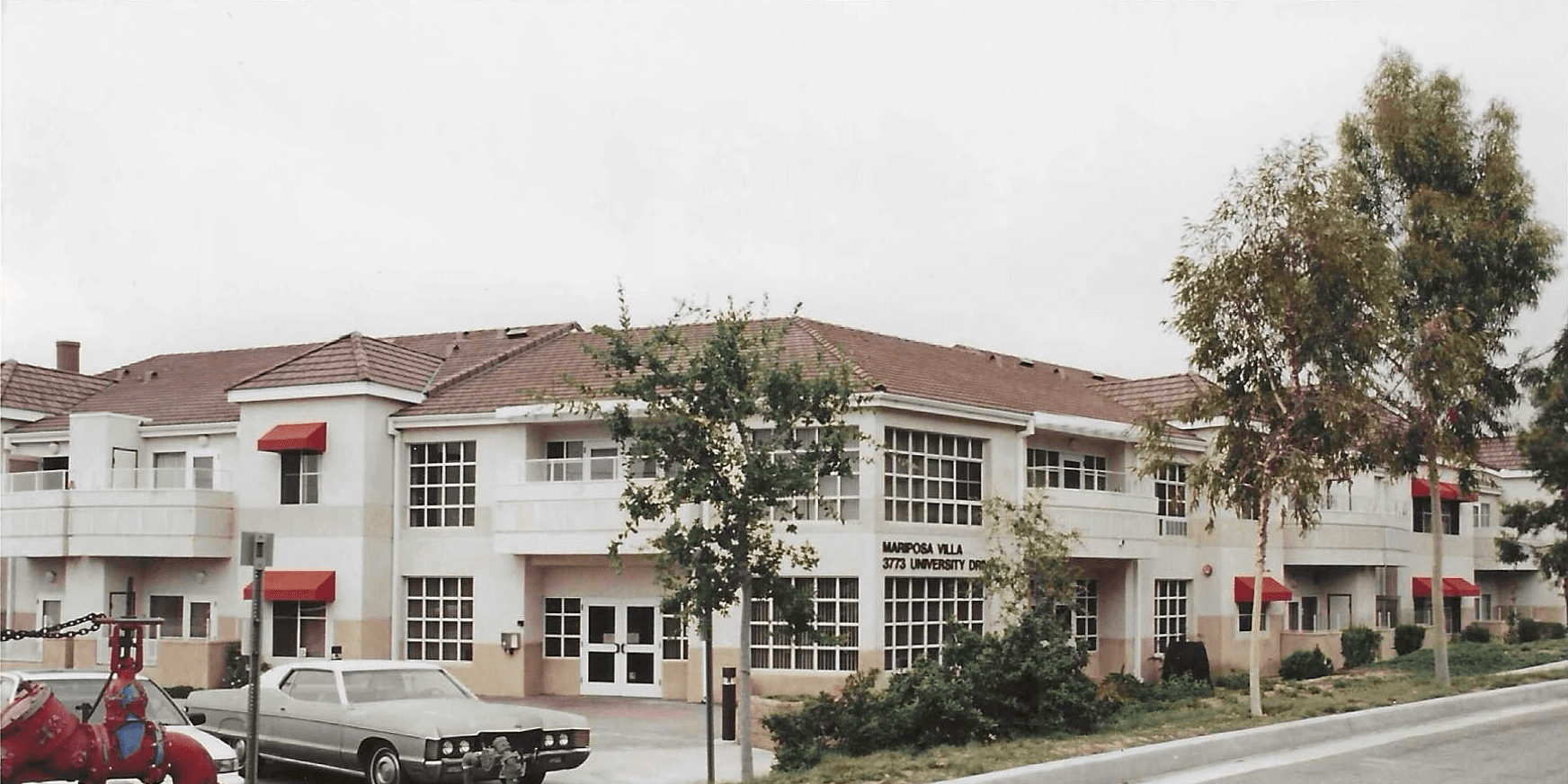
Challenged city’s alleged exclusionary zoning, resulting in settlement for 725 new affordable housing units in Irvine.
Read Story
City of Riverside v. Ruckelshaus
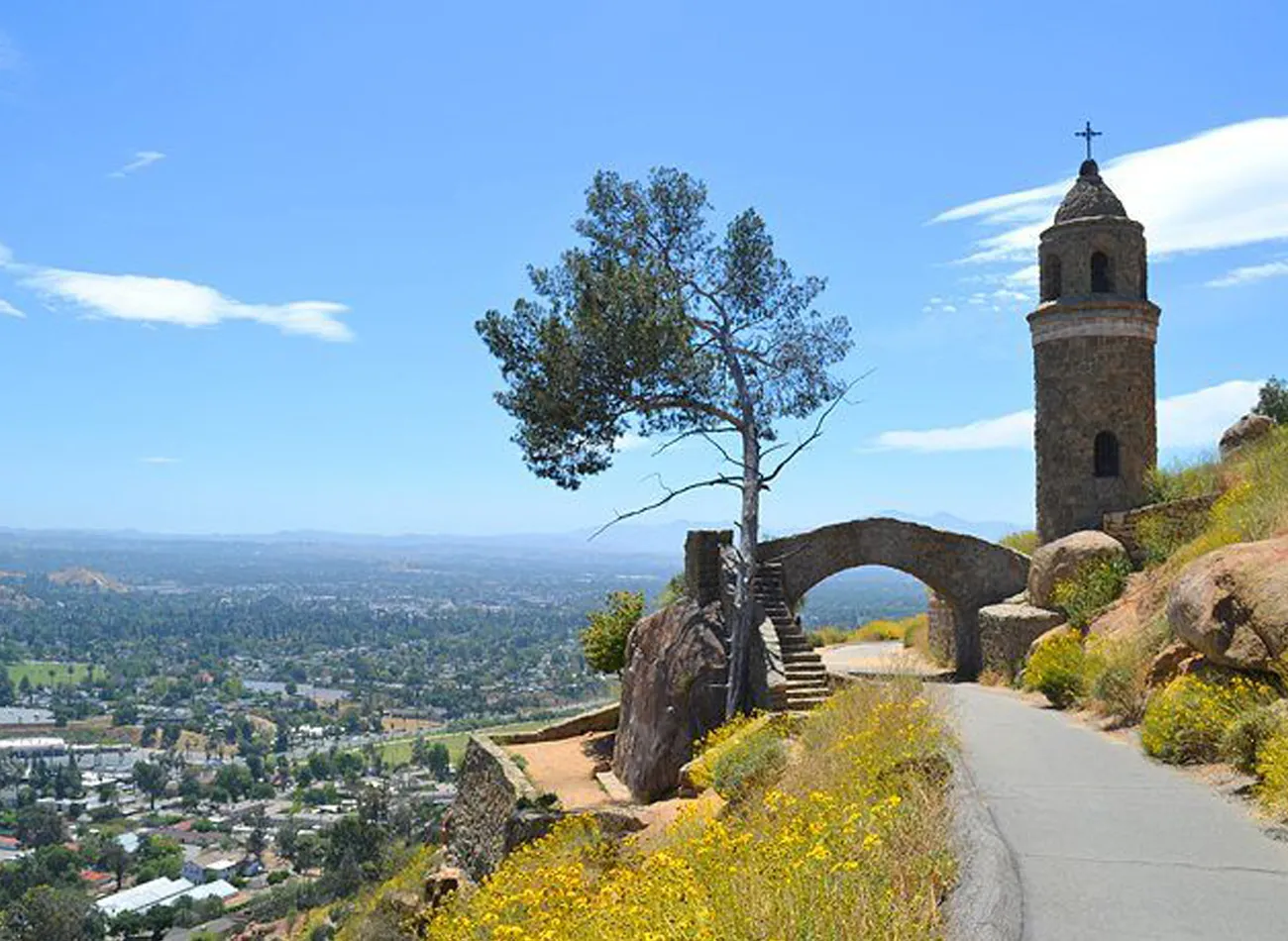
Forced agencies to prepare realistic plans to achieve tough federal clean air standards for the LA basin.
Read Story
LA Conservancy v. Los Angeles Community Redevelopment Pershing Square
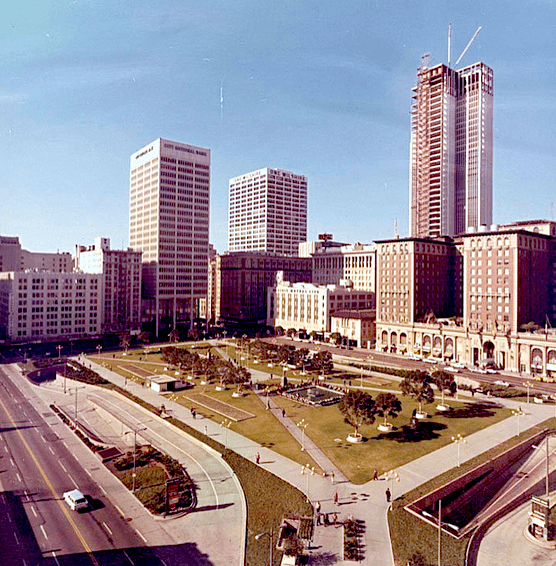
Blocked selling park “air rights” for taller skyscrapers, protecting Pershing Square as vital downtown open space.
Read Story