Founding, Mission, Legacy

Founded in 1971 by Carlyle Hall, John Phillips, Brent Rushforth and Ric Sutherland, the Center for Law in the Public Interest (CLIPI) was one of the nation's first nonprofit public interest law firms. Established to redress the gap between powerful corporate and public legal teams, on one hand, and underrepresented communities and non-profit organizations, on the other, CLIPI provided pro bono legal services focused on advancing environmental stewardship and social justice, civil rights, consumer protection, and promoting transparency, honesty and accountability in public and private organizations. 


To expand its legal resources, CLIPI immediately established a clinical legal education program with UCLA and other law schools, followed by a fellows program in which talented graduating law students seeking public interest law careers would first work at CLIPI for a year.  Both programs were among the first in the nation. Crucially, CLIPI also hired some of the most first-rate attorneys in the nation to work as its staff attorneys: Mary Nichols, Tom Hunt, Tim McFlynn Geoff Cowan, Fred Woocher, Bill Lann Lee, Nick Yost, Walt Cochran-Bond, Letty Belin, Lucas Guttentag and Joel Reynolds.


Over the decades, CLIPI built a distinguished legacy through impact litigation, counseling, and legislative advocacy. The firm successfully shaped important developments under the California Environmental Quality Act and other important environmental and land use laws, defended consumer rights, and litigated landmark employment discrimination and civil rights cases.  


While CLIPI closed its doors in 2007, its legal victories continue to influence public interest law. And its alumni have gone on to extraordinary careers in public service and private practice. (35 of these alumni are featured here.)


In 2025, CLIPI donated 365 boxes containing the legal archives of about 50 of its prominent cases to UCLA's Special Collections division. This generous gift will allow students, teachers, lawyers, government officials and the media to have full access to these monumental litigation files for reference and precedent.
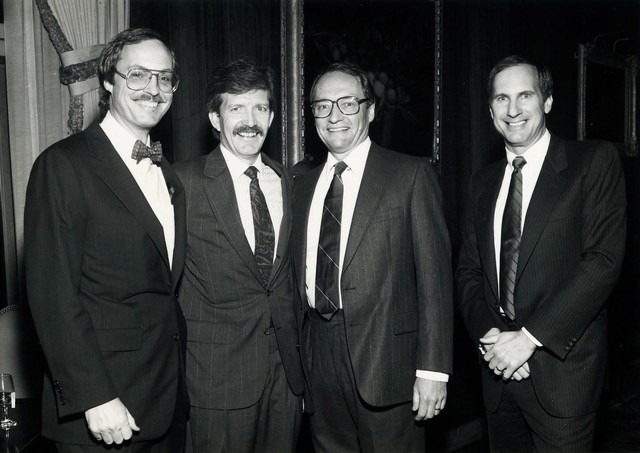
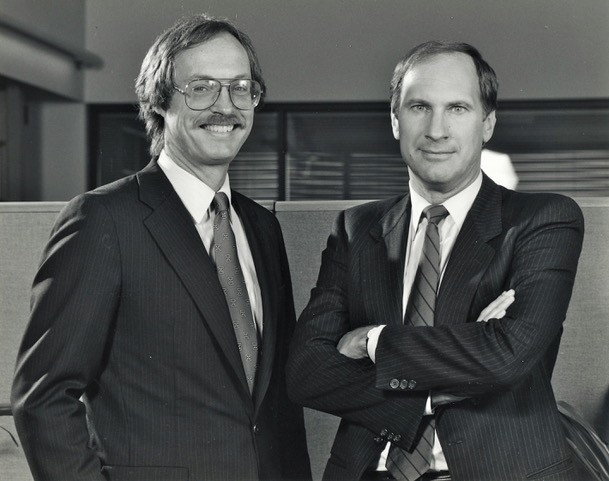
CLIPI Founders - Carlyle Hall, Brent Rushforth, Ric Sutherland, John Phillips at fifteenth Anniversary dinner.

CLIPI Founders - Carlyle Hall, Brent Rushforth, Ric Sutherland, John Phillips at fifteenth Anniversary dinner.

bill lee (right)
bill lee (right)
1973 clipi "the center" staff
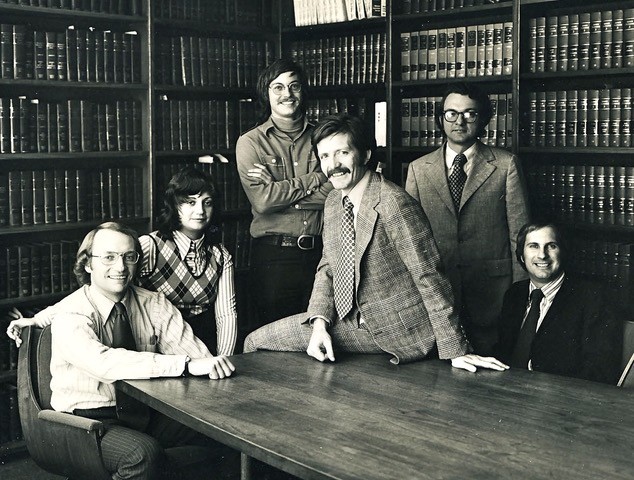
1977 clipi "the center" staff

35 Years of Impact Litigation

From 1971 to 2006 CLIPI used the courtroom as a tool for public good—halting bulldozers, opening park gates, cleaning the air, and securing thousands of affordable homes. Every entry on our timeline marks a moment when determined lawyers teamed with community members to turn new laws into lasting change across Los Angeles and beyond.

This timeline touches on just a few of CLIPI’s key cases. For a fuller discussion that includes documents, see individual case pages.

1971
1971
1971
Freeway Justice Won

CLIPI halts I-105 until environmental, housing and transit fixes (birth of the Green Line) plus record jobs and business enterprise program for minorities and women are locked in—the nation’s first freeway “environmental justice” victory. The precedent spurs a nationwide rethink of how big-ticket transportation projects impact low-income communities. It also fundamentally changes Los Angeles’s auto-centric transportation system to one embracing less polluting public transportation options that are more accessible by its less affluent population.

Freeway Justice Won

CLIPI halts I-105 until environmental, housing and transit fixes (birth of the Green Line) plus record jobs and business enterprise program for minorities and women are locked in—the nation’s first freeway “environmental justice” victory. The precedent spurs a nationwide rethink of how big-ticket transportation projects impact low-income communities. It also fundamentally changes Los Angeles’s auto-centric transportation system to one embracing less polluting public transportation options that are more accessible by its less affluent population.

Freeway Justice Won

CLIPI halts I-105 until environmental, housing and transit fixes (birth of the Green Line) plus record jobs and business enterprise program for minorities and women are locked in—the nation’s first freeway “environmental justice” victory. The precedent spurs a nationwide rethink of how big-ticket transportation projects impact low-income communities. It also fundamentally changes Los Angeles’s auto-centric transportation system to one embracing less polluting public transportation options that are more accessible by its less affluent population.

1975
1975
1975

A landmark court ruling found LA County’s general plan promoted unchecked urban sprawl and failed to protect vital ecological areas. The court ordered stricter guidelines and long-term oversight, leading to phased development and lasting protections for wildlife corridors and scenic resources—reforms that still shape county planning today.

A landmark court ruling found LA County’s general plan promoted unchecked urban sprawl and failed to protect vital ecological areas. The court ordered stricter guidelines and long-term oversight, leading to phased development and lasting protections for wildlife corridors and scenic resources—reforms that still shape county planning today.

A landmark court ruling found LA County’s general plan promoted unchecked urban sprawl and failed to protect vital ecological areas. The court ordered stricter guidelines and long-term oversight, leading to phased development and lasting protections for wildlife corridors and scenic resources—reforms that still shape county planning today.

1981
1981
1981
Diversifying The Badge

Eight-year LAPD discrimination suit ends with landmark back-pay and hiring goals—women reach 20 percent of sworn officers; hiring and promotion benchmarks set a national template. Ongoing court oversight keeps the pressure on and sparks lasting culture change in the department.

Diversifying The Badge

Eight-year LAPD discrimination suit ends with landmark back-pay and hiring goals—women reach 20 percent of sworn officers; hiring and promotion benchmarks set a national template. Ongoing court oversight keeps the pressure on and sparks lasting culture change in the department.

Diversifying The Badge

Eight-year LAPD discrimination suit ends with landmark back-pay and hiring goals—women reach 20 percent of sworn officers; hiring and promotion benchmarks set a national template. Ongoing court oversight keeps the pressure on and sparks lasting culture change in the department.

1986
1986
1986
Refunds Fuel Advocacy

CLIPI convinces high court to allow tiny checks for jeans purchase damage awards to be pooled into a large consumer trust fund for distribution to consumer protection organizations. The creative “cy-pres” solution becomes a blueprint for modern consumer-protection settlements. Many millions of dollars from these settlements now support watchdog and education groups.

Refunds Fuel Advocacy

CLIPI convinces high court to allow tiny checks for jeans purchase damage awards to be pooled into a large consumer trust fund for distribution to consumer protection organizations. The creative “cy-pres” solution becomes a blueprint for modern consumer-protection settlements. Many millions of dollars from these settlements now support watchdog and education groups.

Refunds Fuel Advocacy

CLIPI convinces high court to allow tiny checks for jeans purchase damage awards to be pooled into a large consumer trust fund for distribution to consumer protection organizations. The creative “cy-pres” solution becomes a blueprint for modern consumer-protection settlements. Many millions of dollars from these settlements now support watchdog and education groups.

1990
1990
1990
Wetlands Forever Protected

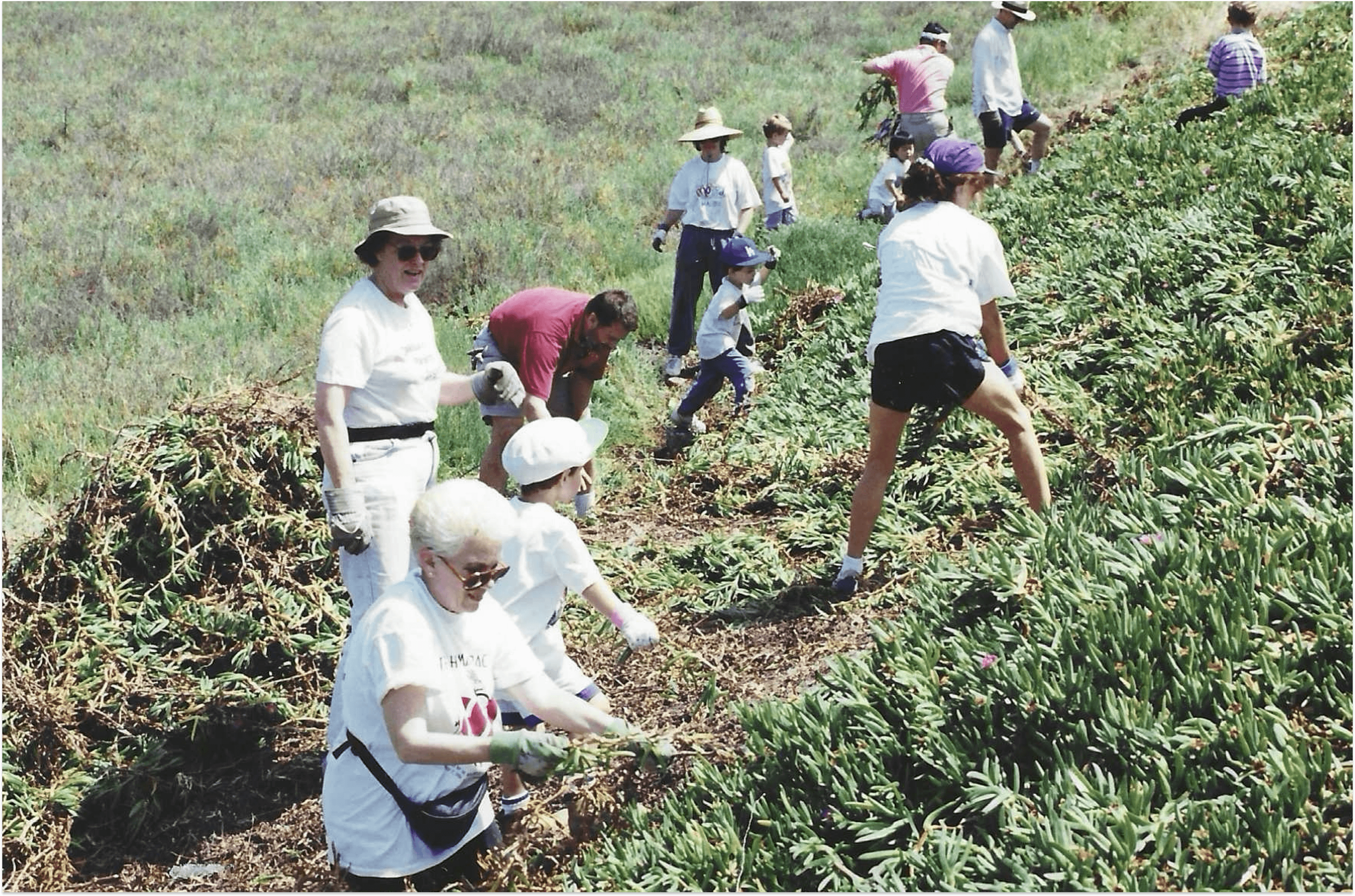
Litigation preserves roughly 250 acres of L.A.’s last sizable coastal marsh and scales back the Playa Vista mega-development. Once preserved, the State steps in to purchase and, ultimately, restore the precious wetland resources.

Wetlands Forever Protected

Litigation preserves roughly 250 acres of L.A.’s last sizable coastal marsh and scales back the Playa Vista mega-development. Once preserved, the State steps in to purchase and, ultimately, restore the precious wetland resources.

Wetlands Forever Protected

Litigation preserves roughly 250 acres of L.A.’s last sizable coastal marsh and scales back the Playa Vista mega-development. Once preserved, the State steps in to purchase and, ultimately, restore the precious wetland resources.

Part of Sierra Club’s demonstration against the project and scenes of the Vista from the Back Bone trail before the litigation_13
ballon wetlands volunteers
clipi photo
clipi photo
santa susana freeway

See where the CLIPI family is now

At CLIPI, every brief aimed higher than a courtroom win. Our attorneys blended civil-rights grit with environmental vision, fighting oil rigs on beaches, freeways through neighborhoods, and bribery and fraud initiated in corporate boardrooms. Together they proved legal talent—deployed for the public good—can redraw city maps and expand opportunity for generations.

"We started CLIPI because no one else was offering full-service, public-interest lawyering to ordinary communities."

Carlyle W. Hall, Jr. - Co-Founder of Center for Law In the Public Interest

carlyle hall
carlyle hall
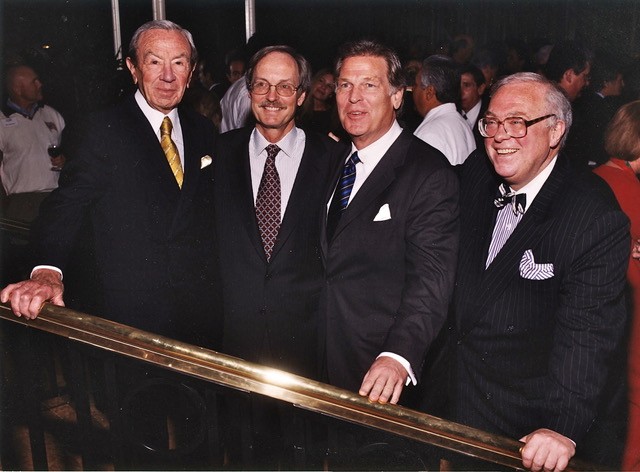
Center for Law In The Public Interest 30th Anniverary Dinner
87wheatdinner
87wheatdinner
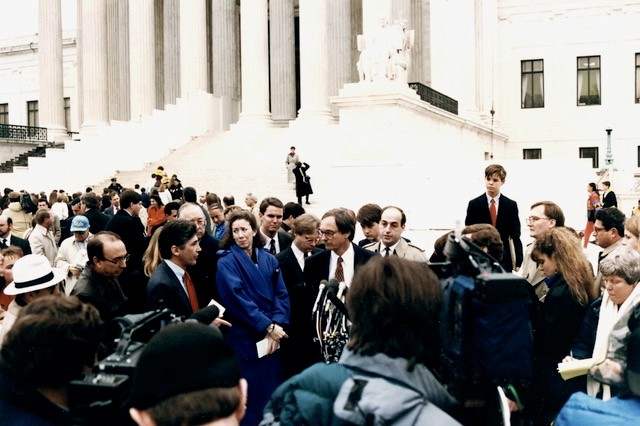
1992 Post-US Supreme Court argument press conference on courthouse steps