CLIPI x UCLA Library Gift Celebration
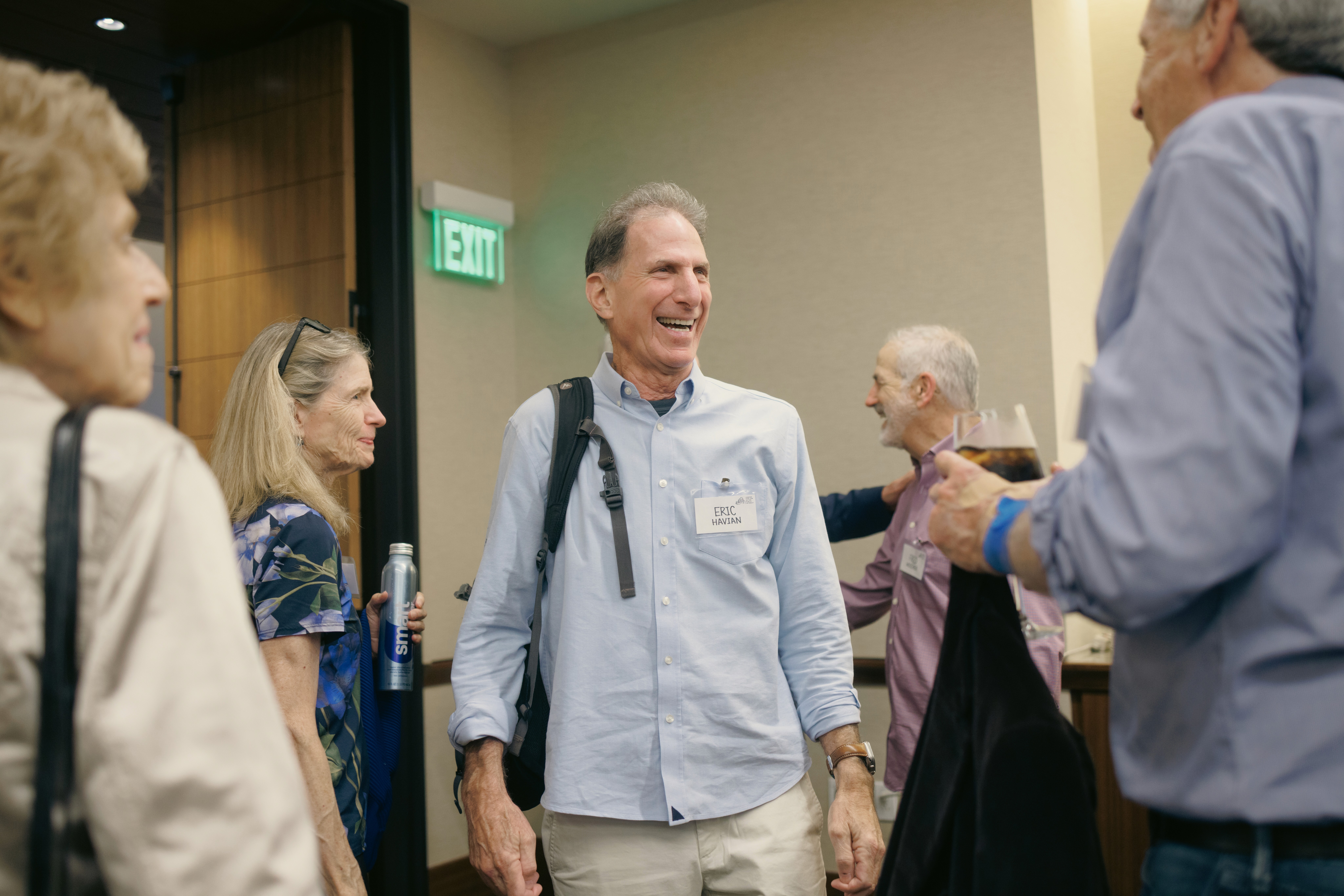
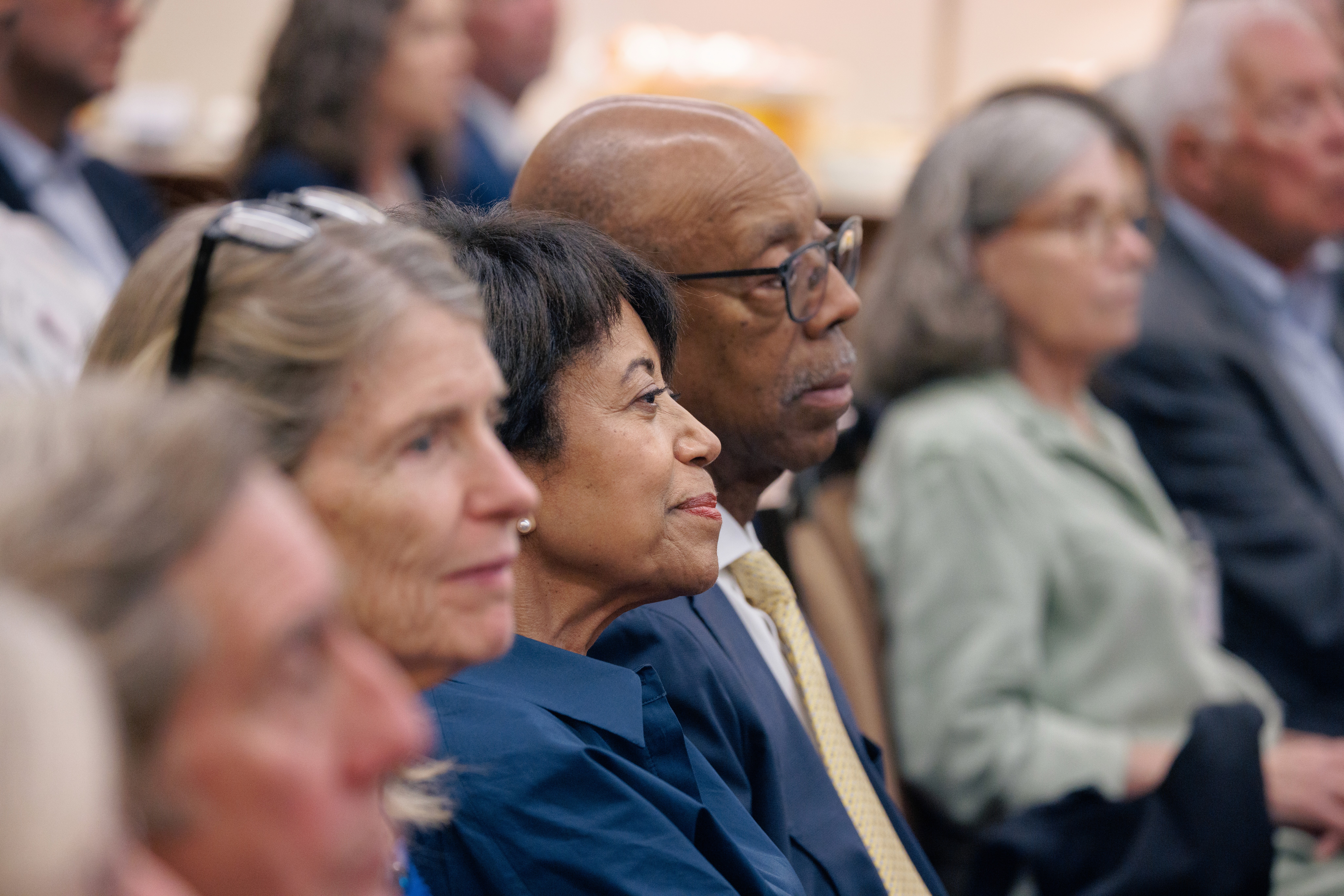
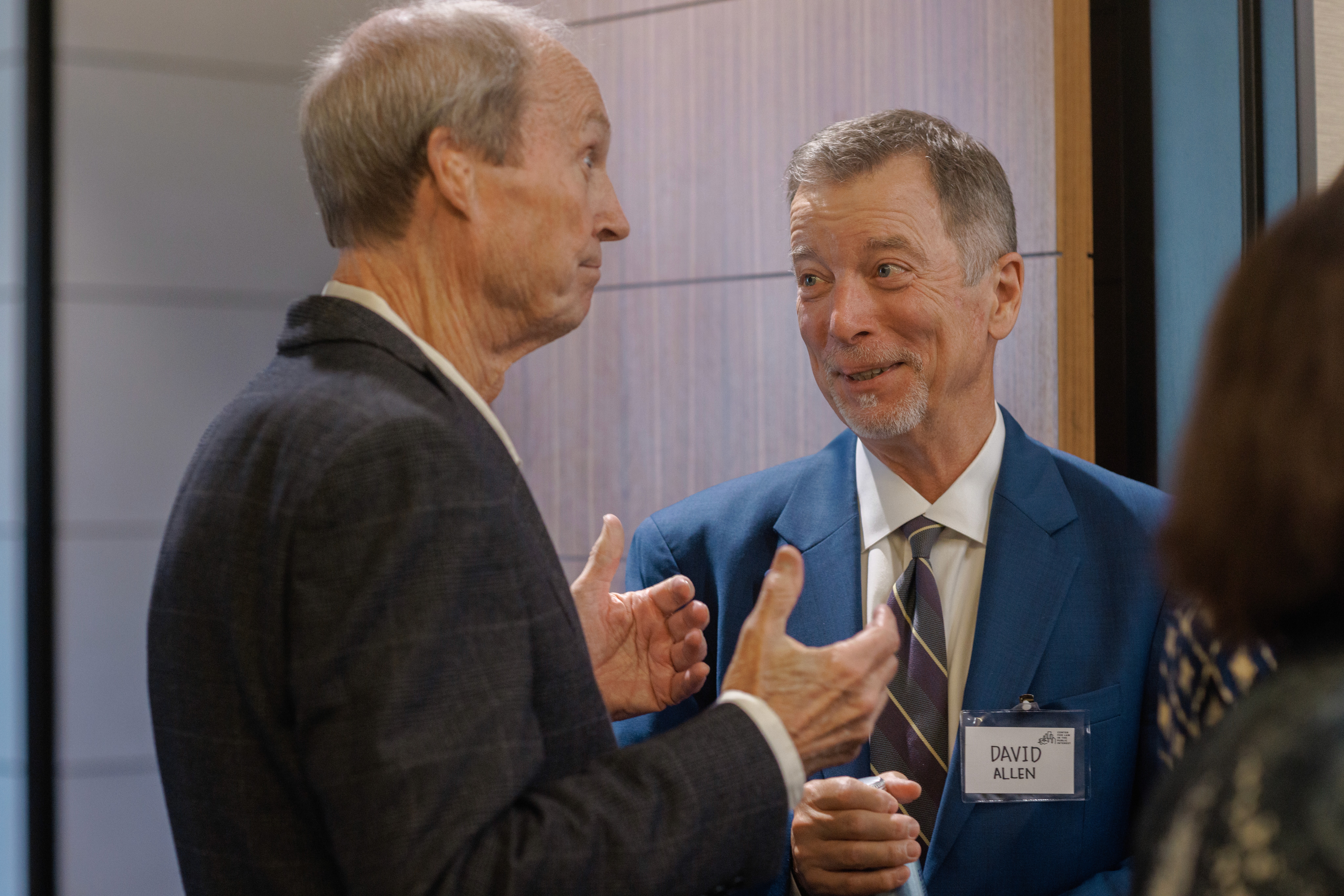
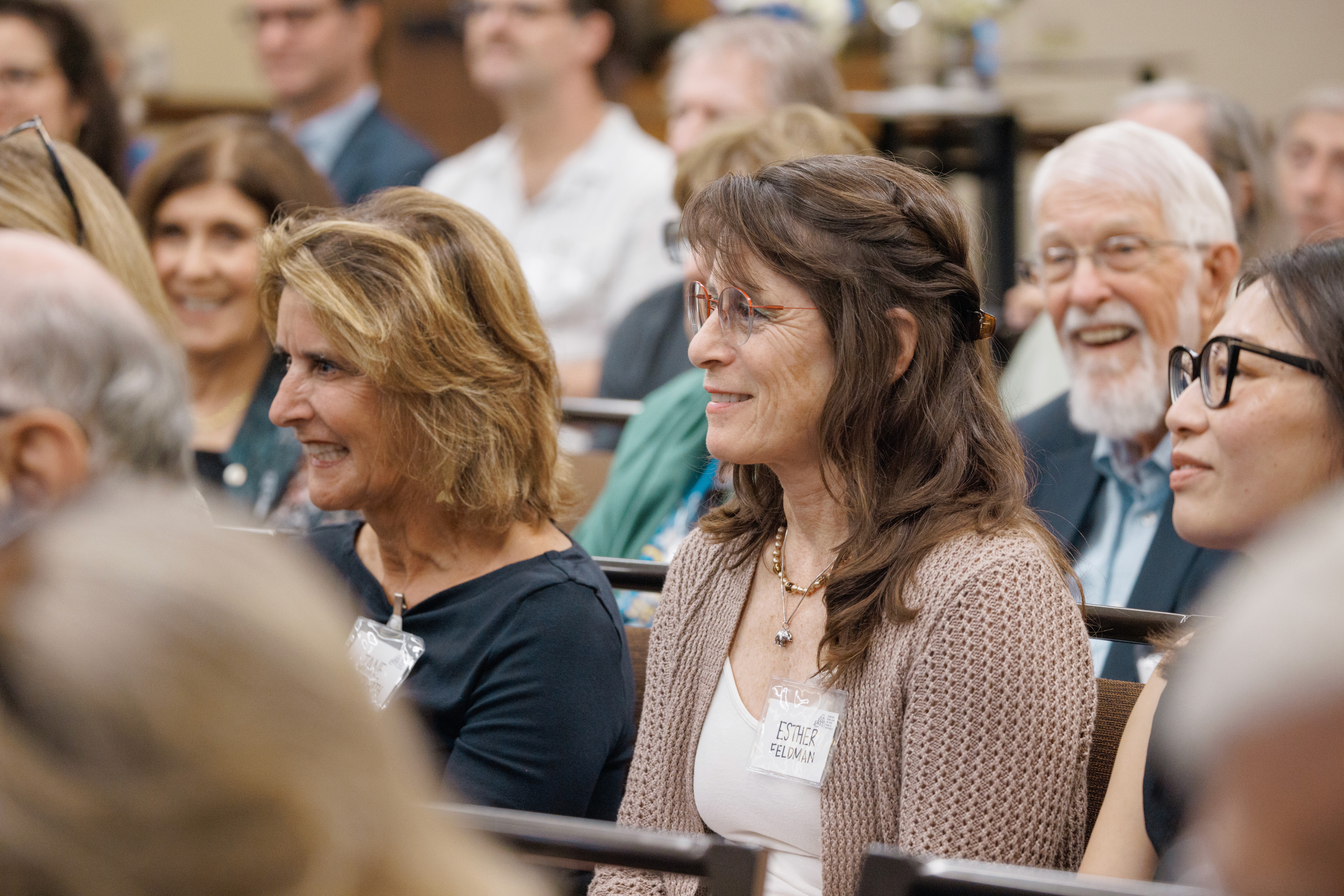
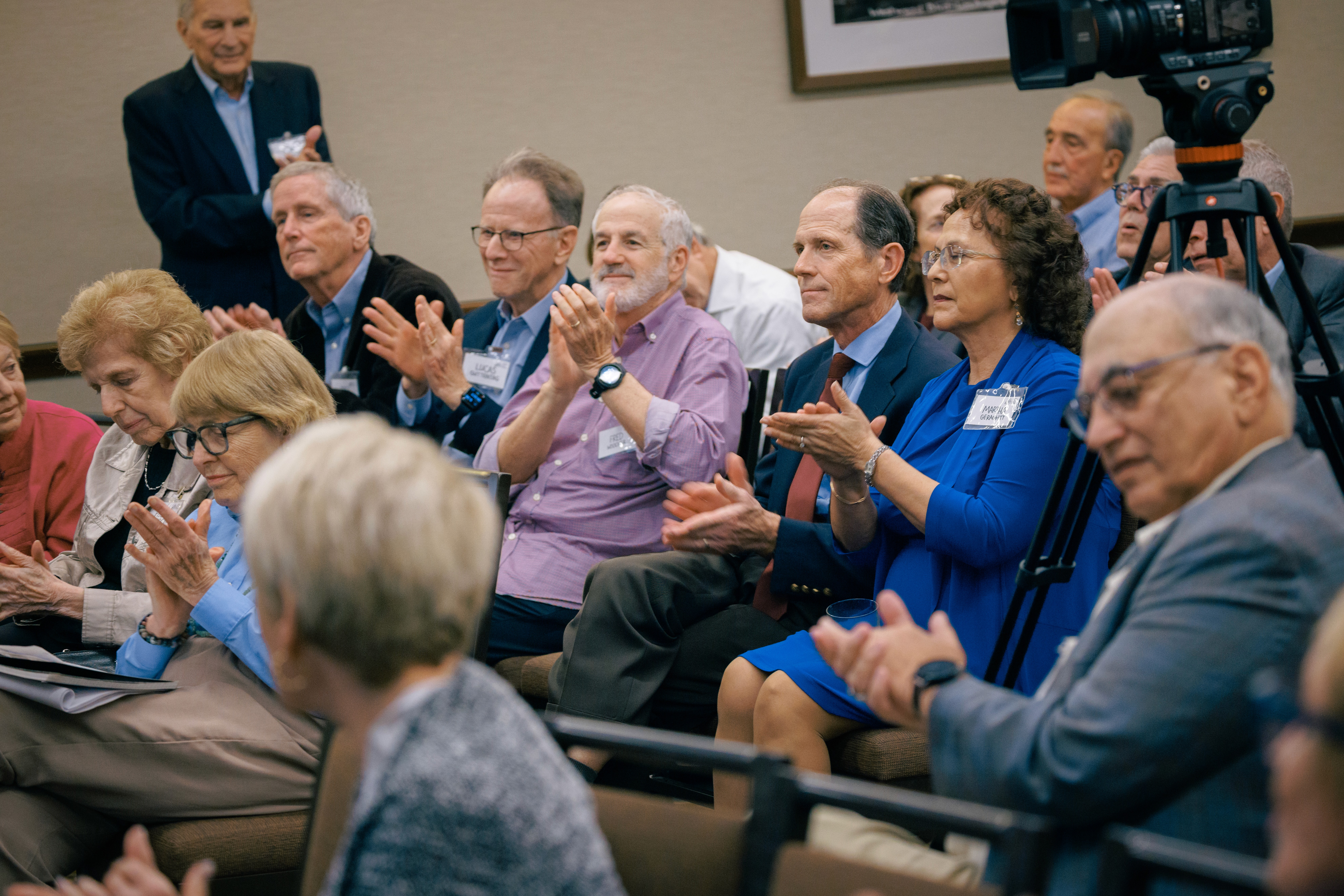
Nostalgia, conversation, and notable insight from CLIPI alumni and friends. Below are some photos and quotes from the celebration.
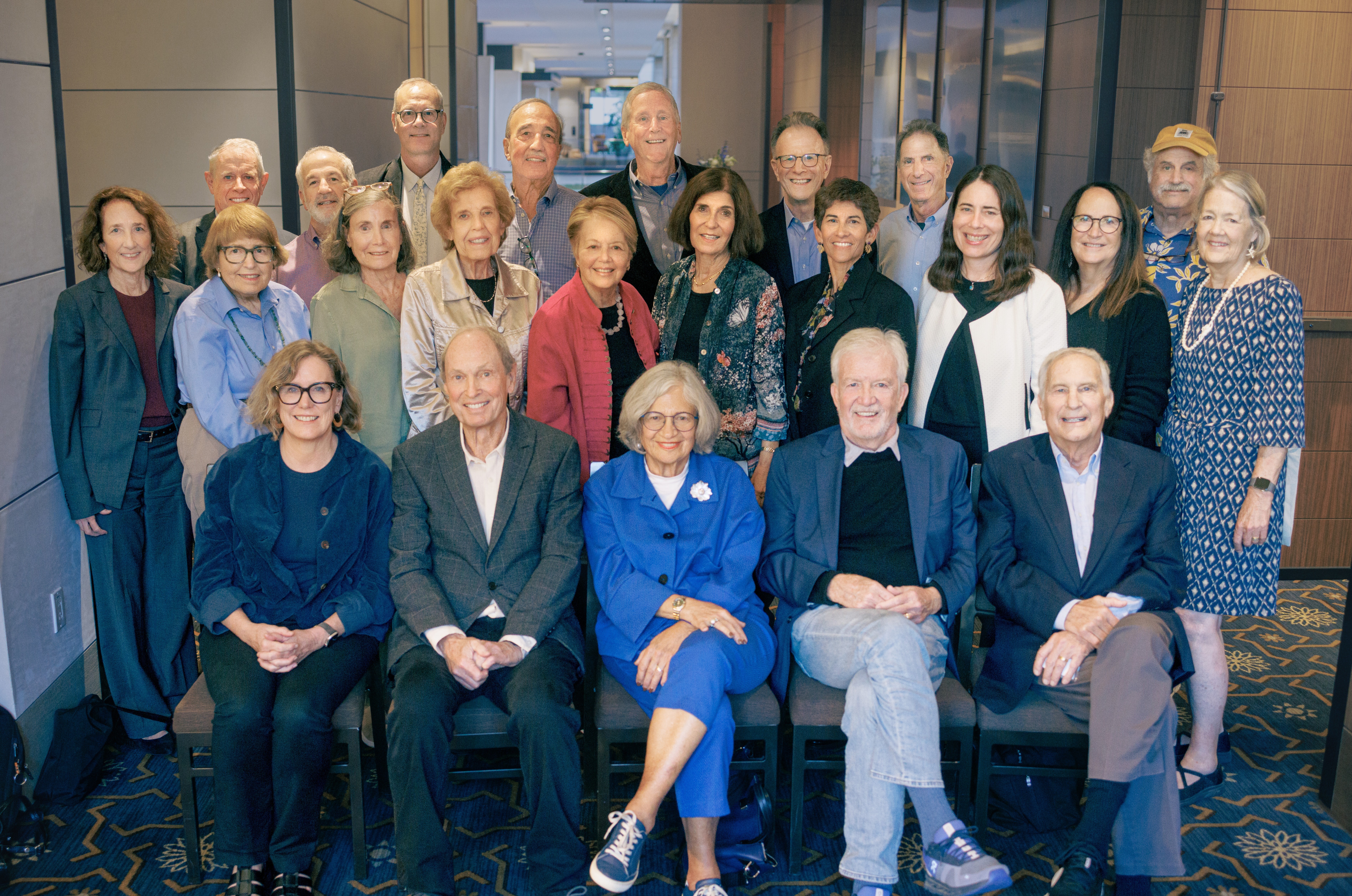
About the Event
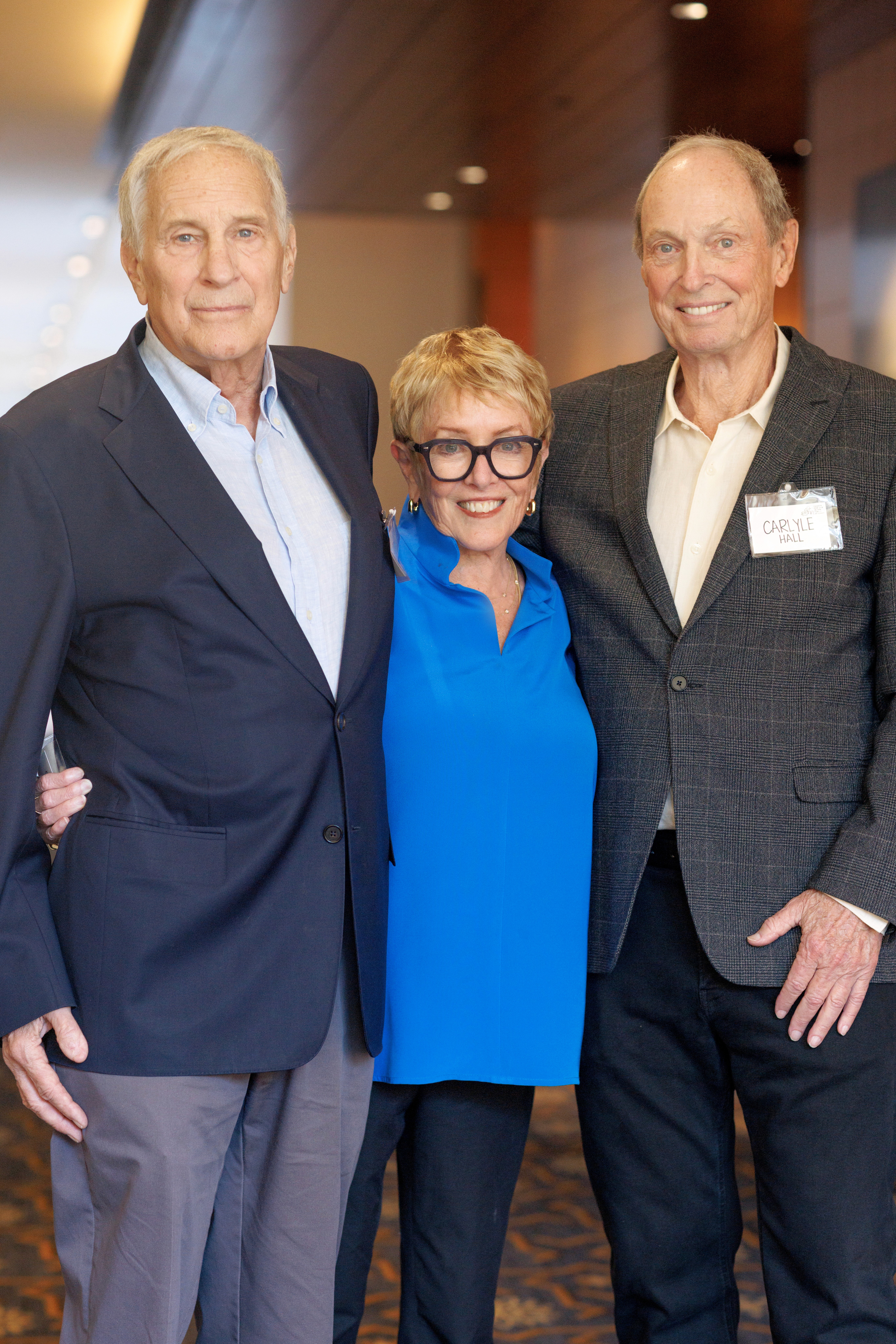

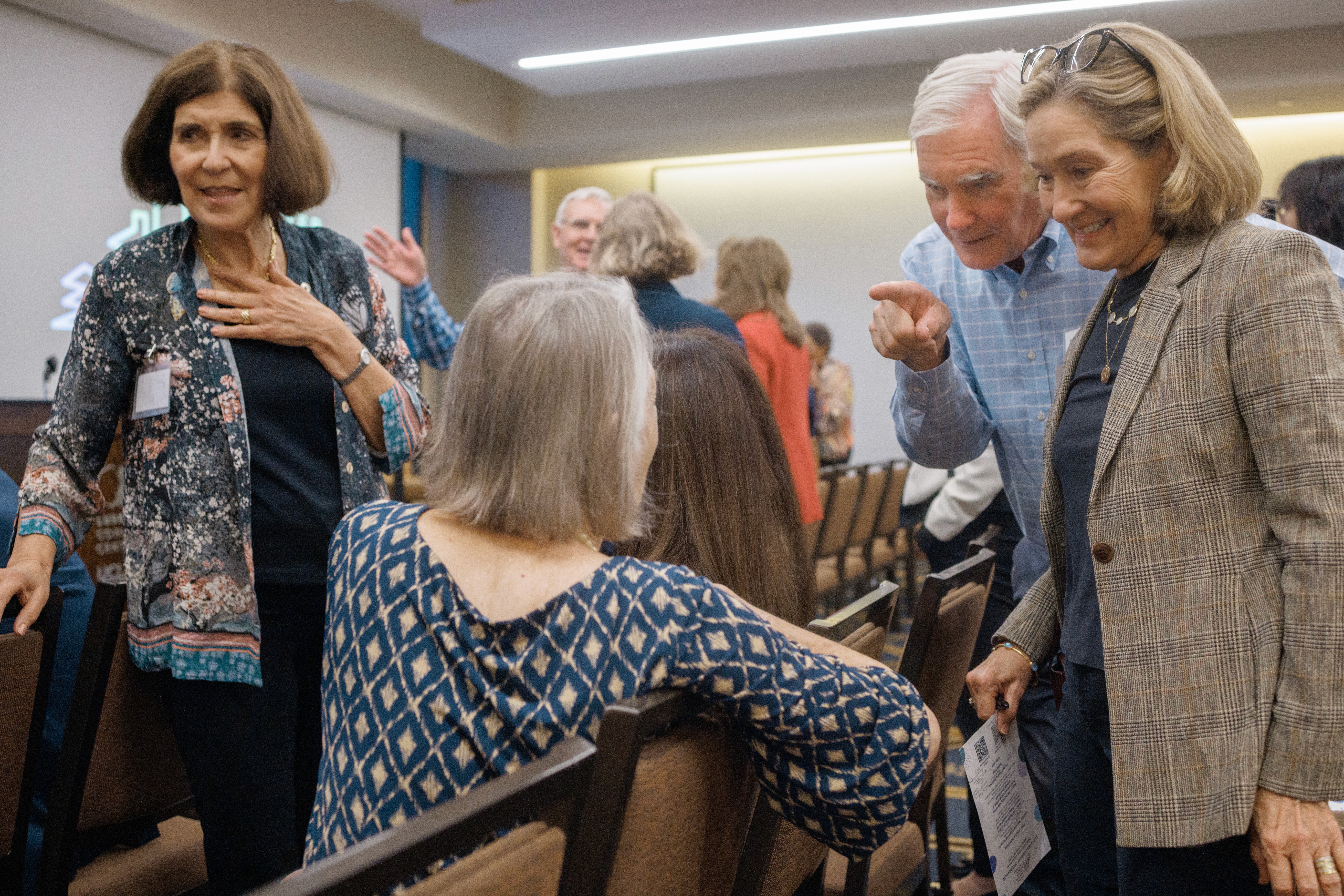
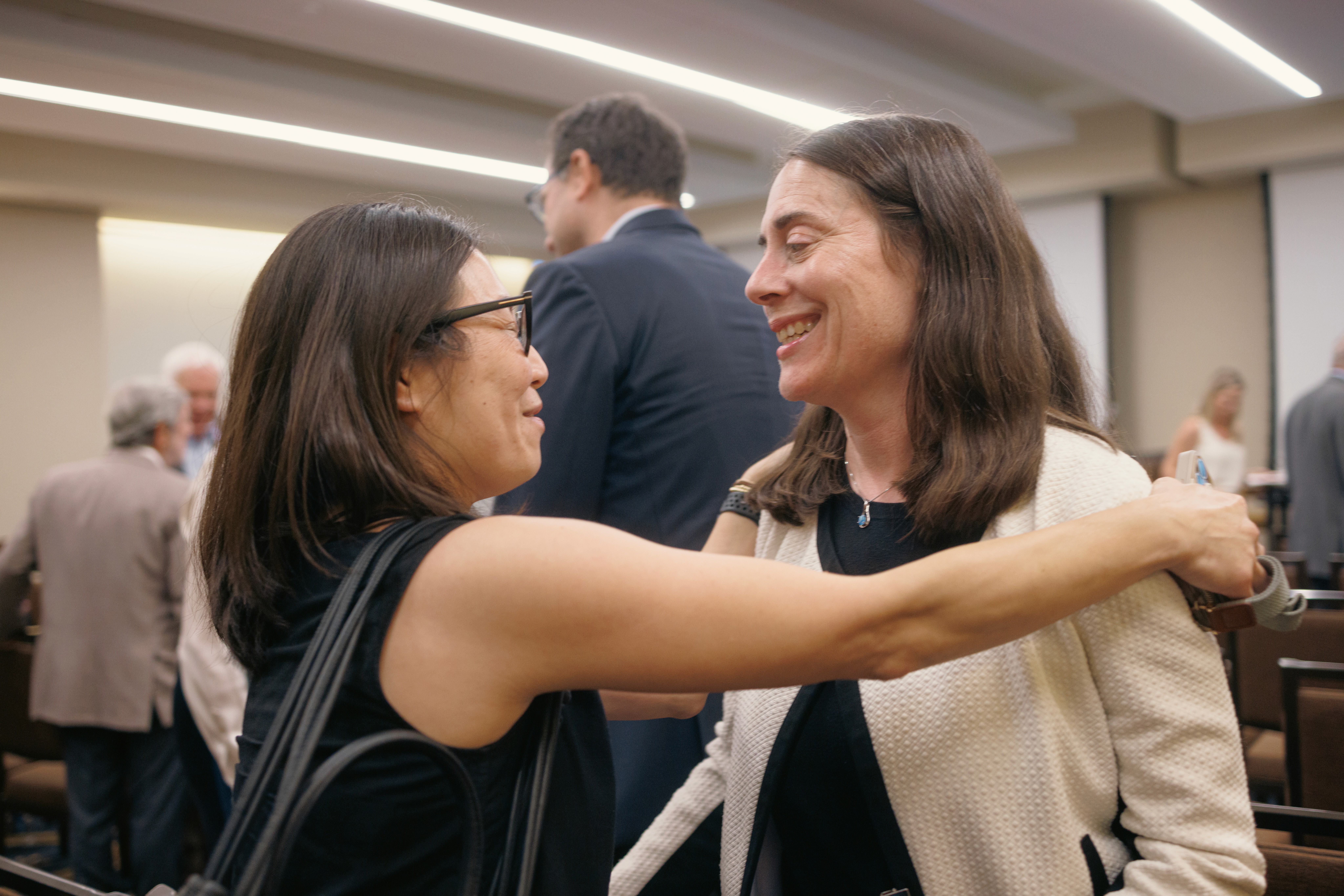
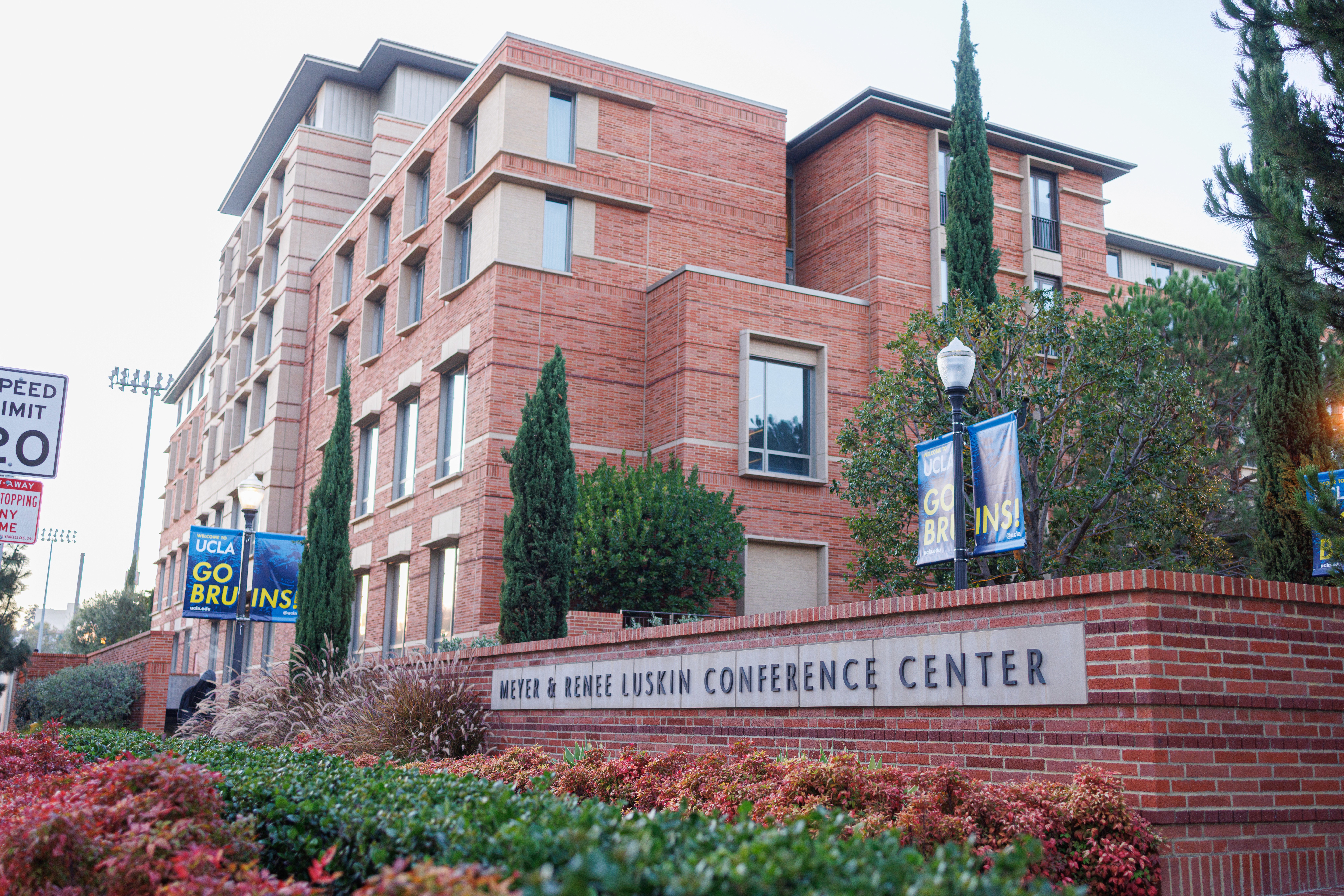
On October 28th, 2025, CLIPI’s Legacy Foundation partnered with the UCLA Library’s Special Collections team to host a celebration at the Renee and Meyer Luskin Conference Center. The event began with remarks from CLIPI co-founder Carlyle Hall, UC President Emeritus Michael Drake, and Brenda Jackson Drake. The celebration, which featured notable panelists and insightful reflections on CLIPI’s legacy and the enduring importance of the archives, was engaging and nostalgic.
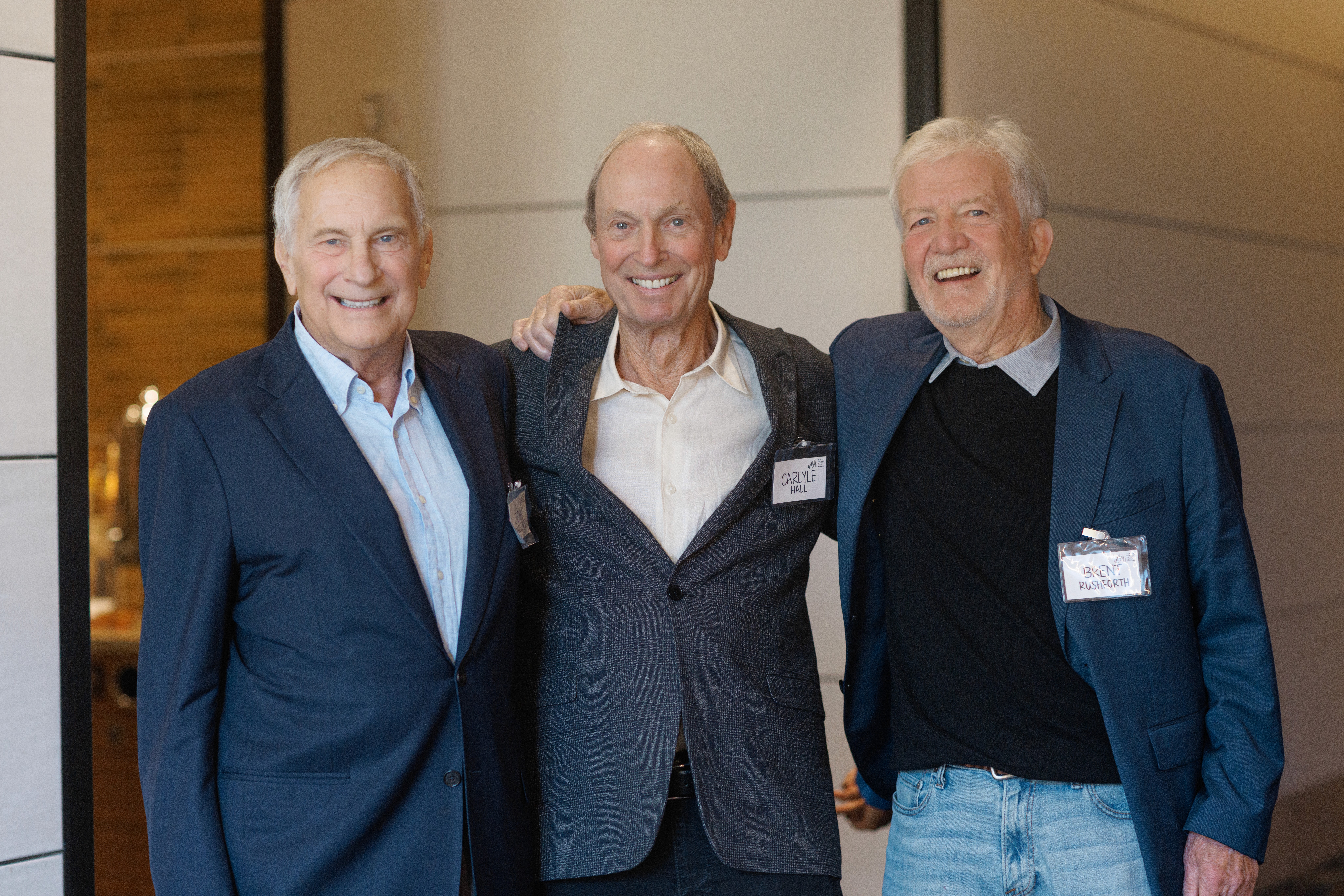
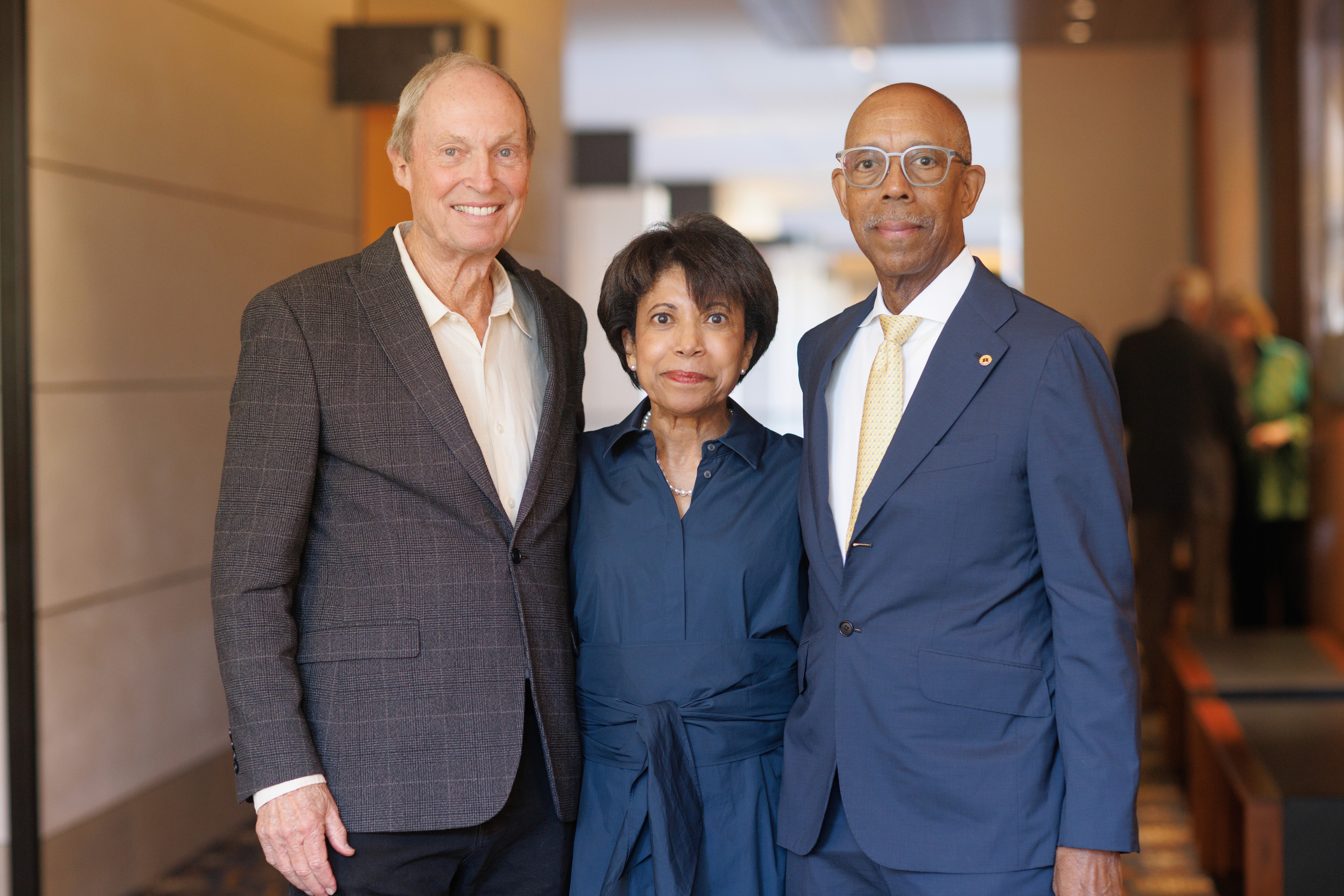
Brenda Jackson Drake was the first CLIPI fellow. While studying for the bar exam, Brenda proposed a one-year fellowship to Carlyle Hall, and her simple request started the fellows program at the Center for Law in the Public Interest. Michael Drake, Brenda's husband, became the UC system's first black president in 2020. He served until 2025. Michael, in both official and personal capacities, has supported the Legacy Foundation's mission to preserve the CLIPI case archives.
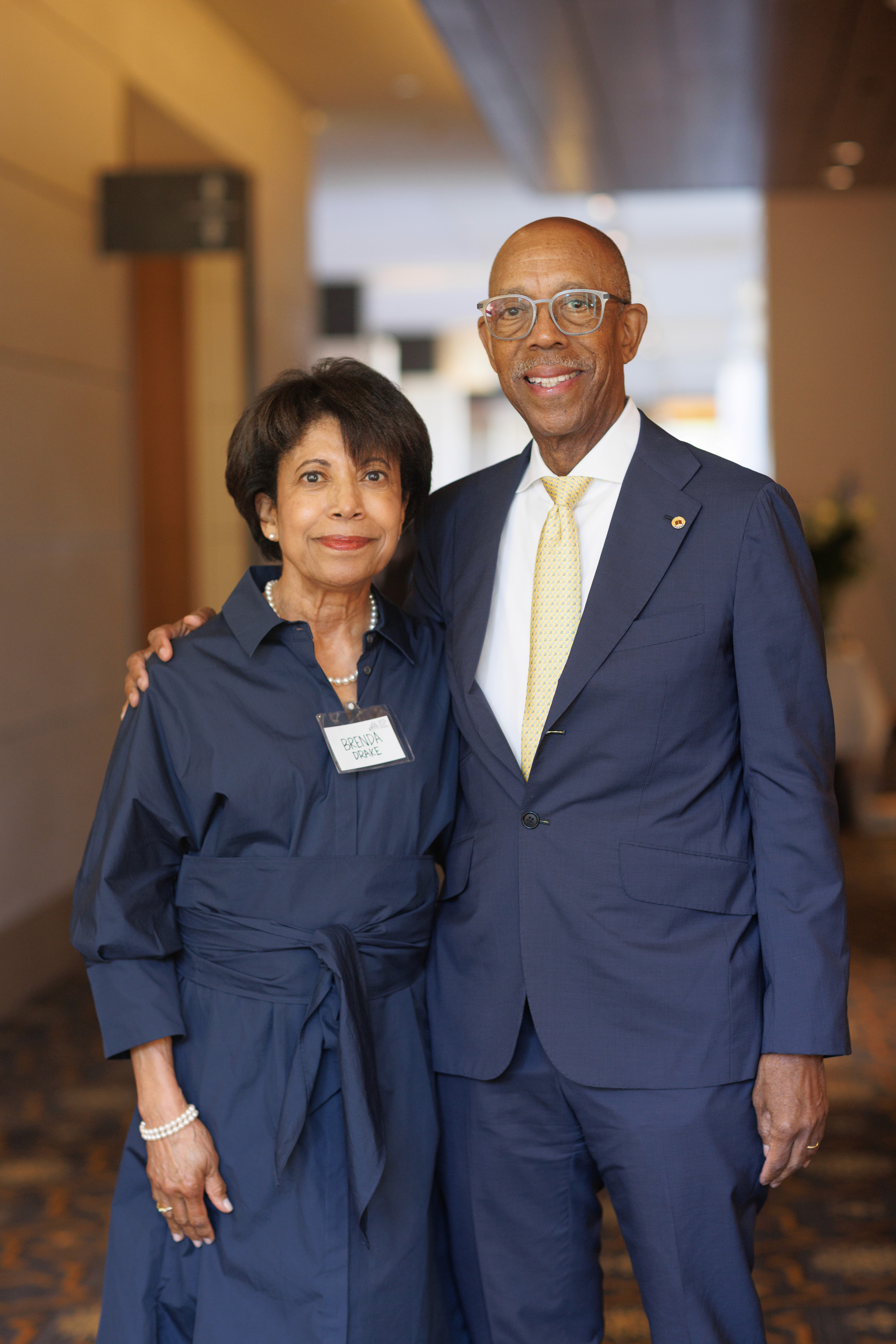
"The line often quoted is that the arc of the moral universe bends towards social justice. In my older life, I believe that that's true, but I believe that it has to be bent. It doesn't bend itself. And I think somebody has to look out for that arc, and has to be pulling on it, because there seem to be forces at times that pull it in the other direction."
Dr. Michael Drake, University of California President Emeritus
"Now that [CLIPI's] papers are archived at UCLA and on a few other campuses, generations of scholars will have access to a wealth of information on law and policy in the public interest."
Brenda Jackson Drake
"Having the record, having it there as a physical thing, to be able to touch and to see is so important — and it can be boxes and boxes, or it can be a single page"
Dr. Michael Drake, University of California President Emeritus
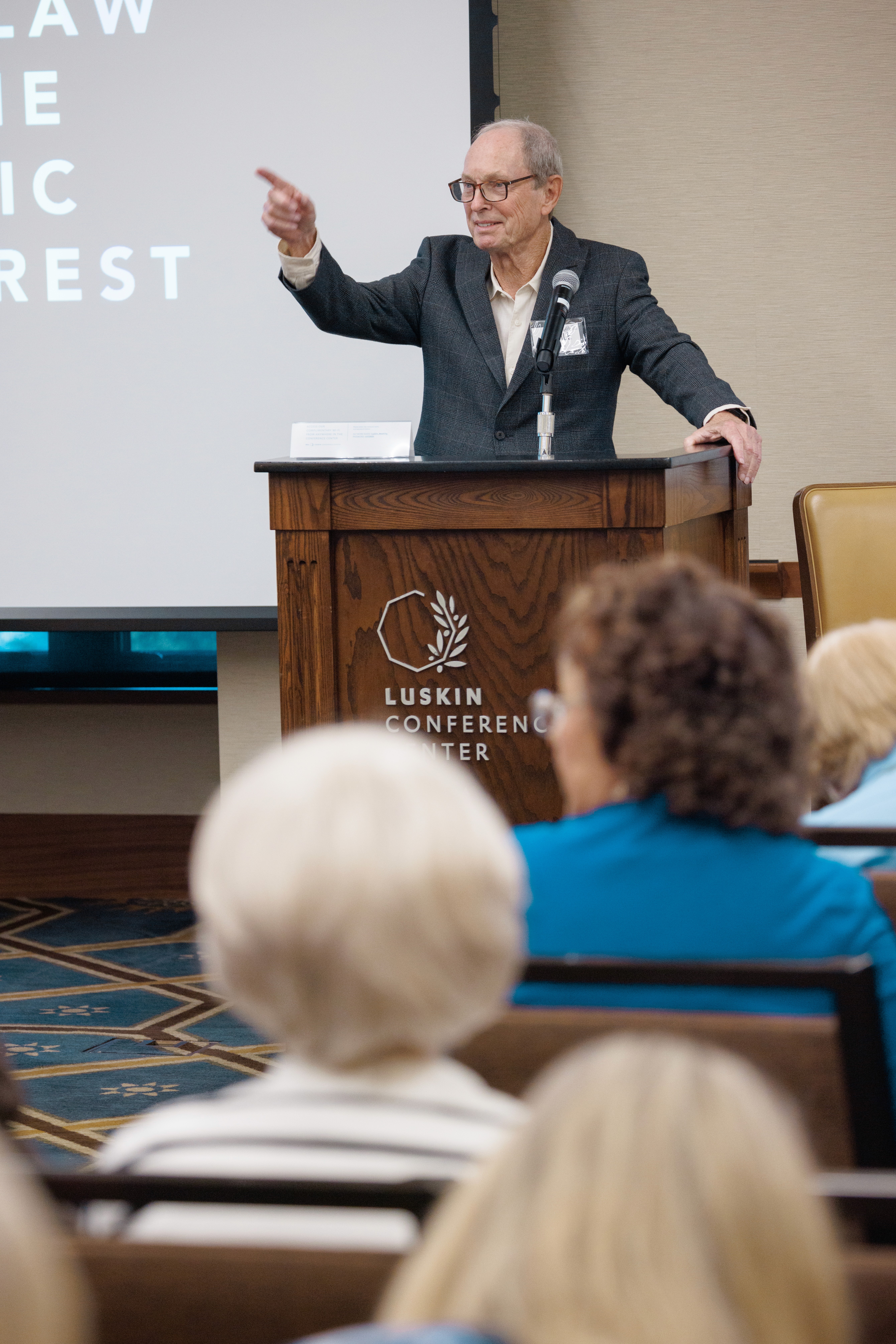
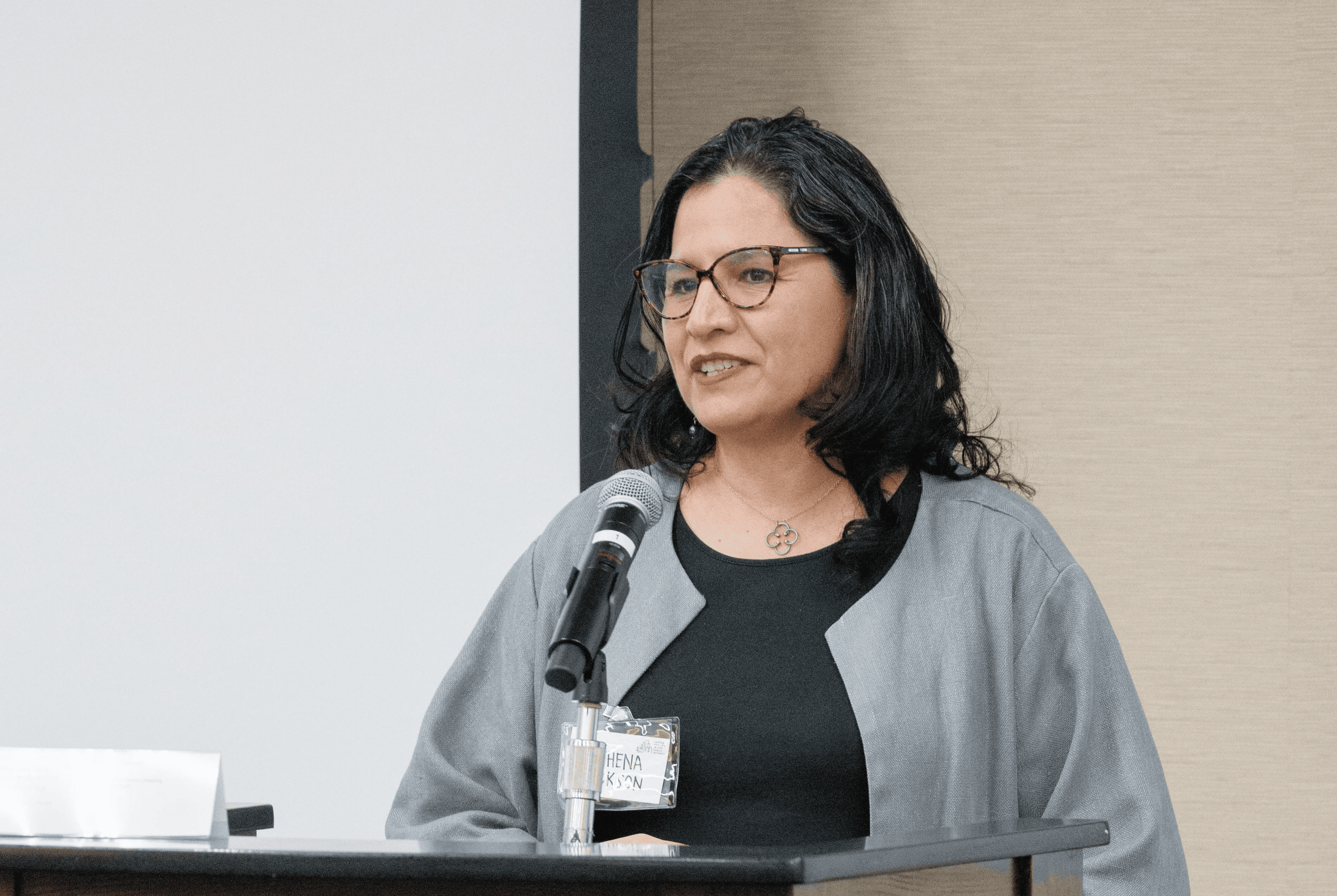
Athena Jackson is the Norman and Armena Powell University Librarian at UCLA and will be serving as steward to the CLIPI archives at UCLA. Prior to her current position, Athena was Director of UCLA Library's Special Collections, where the CLIPI case files now reside.
"[UCLA Library's] expert team is uniquely qualified to take on this monumental task of organizing and describing 396 linear feet of legal documents and case materials, making them discoverable to the world and accessible to our students and researchers."
Athena Jackson, UCLA Norman and Armena Powell University Librarian
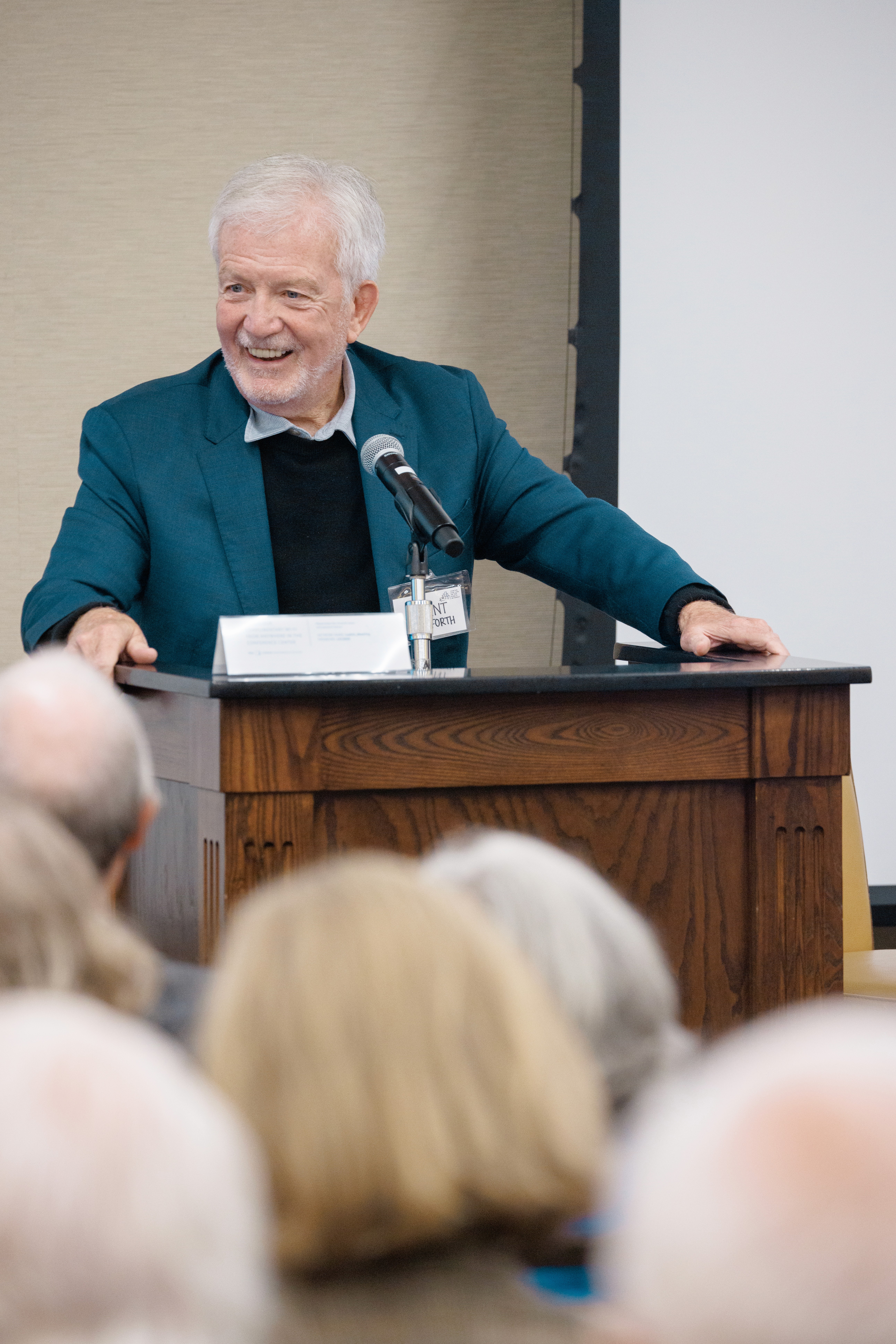
Tasked with discussing the relevance of CLIPI's legacy in today's troubled world, UC Berkeley Law Dean Erwin Chemerinsky and Loyola Law Professor Dan Selmi joined USC Annenberg Professor Geoff Cowan in conversation to highlight the enduring significance of archives and reflect on how CLIPI spearheaded public interest law and the environmental justice sector.

"[CLIPI] scoped out an area of substantive goal…and that is to integrate the environment somehow into government decision making."
Dan Selmi, Loyola Law Professor
The Century Freeway case "attacked [the freeway's impact] from an environmental justice standpoint. It also attacked the freeway mentality, which is, 'we'll build another freeway.'"
Dan Selmi, Loyola Law Professor
"When I think of all of the terrific work that CLIPI did in so many areas of the law, so many different legislative polls worked on, I have no doubt that these archives are going to be very valuable with regard to litigators and policymakers going forward."
Erwin Chemerinsky, UC Berkeley Law Dean
"Hundreds of millions of dollars, billions of dollars, of attorneys' fees had been awarded under these statutes, and it's encouraged lawyers to have representation that otherwise wouldn't be there, and CLIPI played a crucial role."
Erwin Chemerinsky, UC Berkeley Law Dean

"These issues that CLIPI worked on are today so urgent and require our attention even more than ever."
Erwin Chemerinsky, UC Berkeley Law Dean
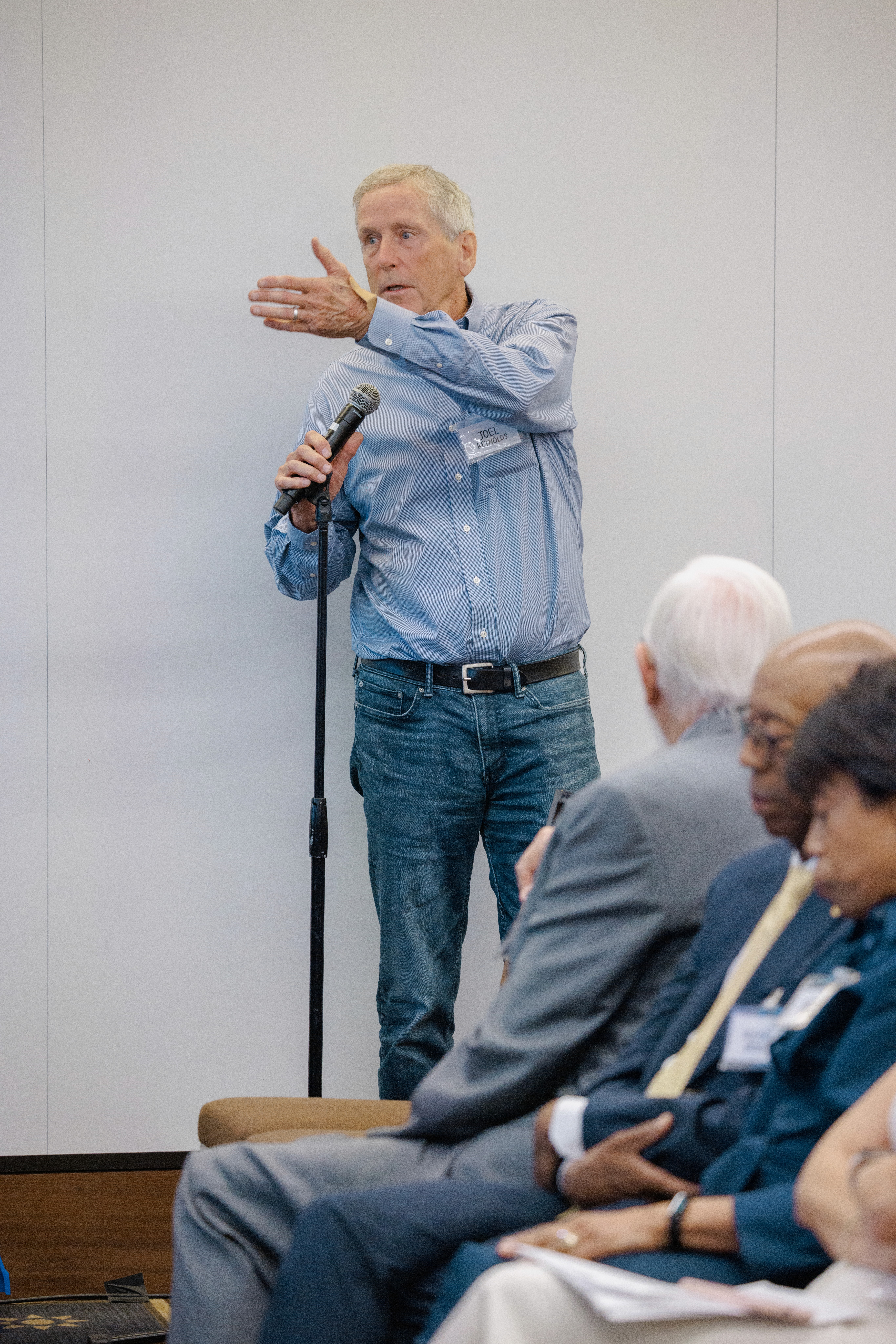
"Not to be overlooked is the role that CLIPI played in training a generation, in fact, a few generations of public interest lawyers. So many individuals went to work for CLIPI as fellows, and then had incredibly distinguished careers. Many continuing to be public interest lawyers, many continuing to be deans of law schools elsewhere, general counsel in cabinet agencies, and so much more is another way in which CLIPI has had and continues to have a huge effect on society."
Erwin Chemerinsky, UC Berkeley Law Dean
"[CLIPI's] work — that I think the Center can be very proud of — was a precursor to what became known later as environmental justice work, but that term had not yet even been invented."
Joel Reynolds




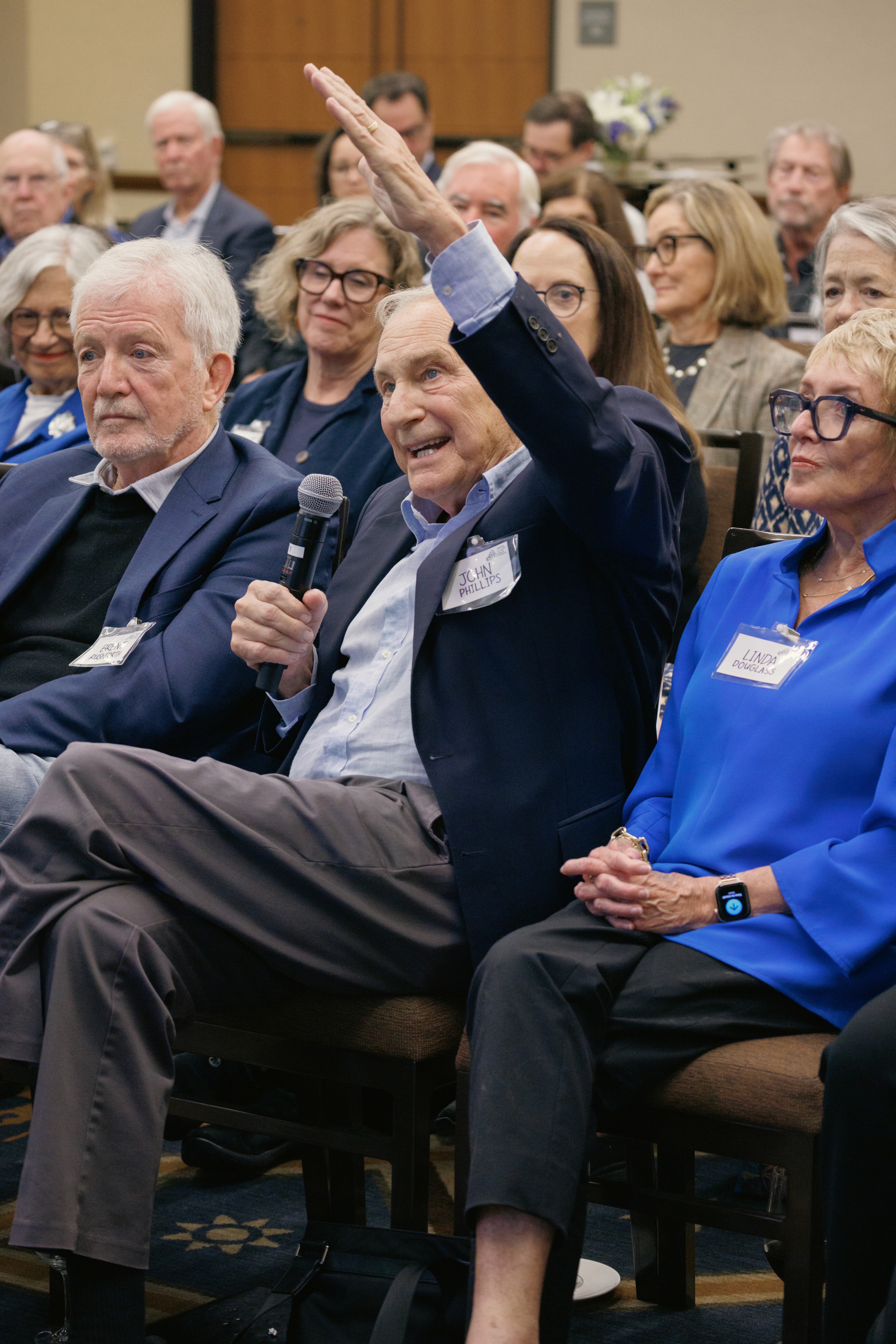
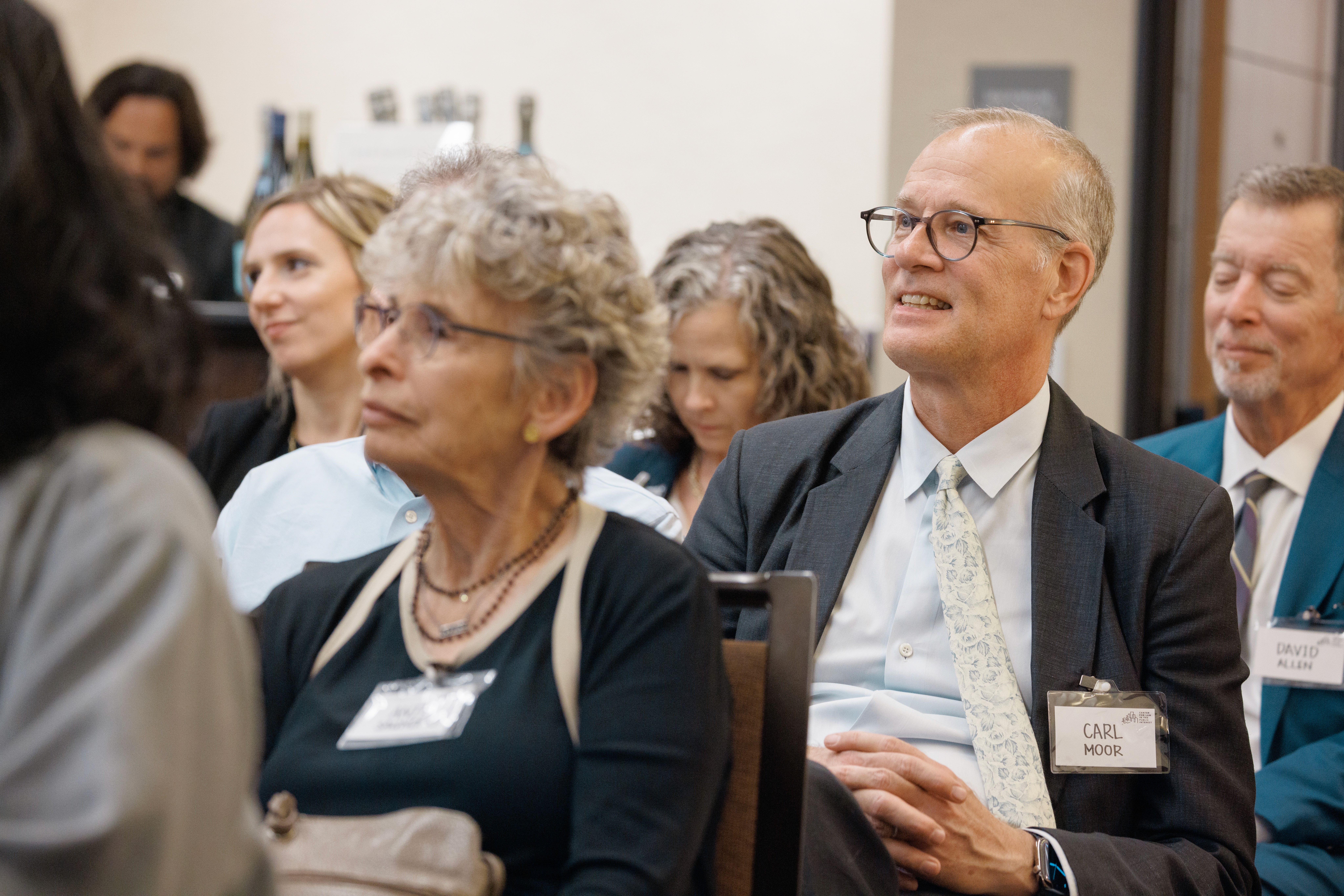

This all-female panel drew on personal experiences to discuss the work of public interest lawyers in government. All three women spent time at CLIPI as fellows or staff attorneys. Throughout most of the 2010s, Mary Nichols and Felicia Marcus led the California Air and Water Resources Boards, respectively. Ann Carlson is making her impact as a professor in UCLA Law School's Emmett Institute, focusing on climate change and the environment. Together, this panel reflected on the projects they pioneered, during and after their time at CLIPI.

"People know Mary [Nichols] for all her government service, but actually, her work as a lawyer at CLIPI was extraordinarily instrumental in getting the Clean Air Act implemented in the way that it needed to begin to clean up Southern California's air."
Ann Carlson, UCLA Law Professor
"I want to add two things I learned at the center. There's many more, but in particular, from Carlyle, I learned strategy, which is how you look at what's going to happen down the road. This is the land use cases that we did, how you figure out how to set up a motion, and whether you win or you lose. You win because you've set it up by thinking through all the things. From John, I learned, if it doesn't exist and it should exist, you can make it exist. So be creative and inventive, and those things helped us navigate the 'people part' of all of it…the strategy and media part of it all."
Felicia Marcus, Former Chair of the California Water Resources Board
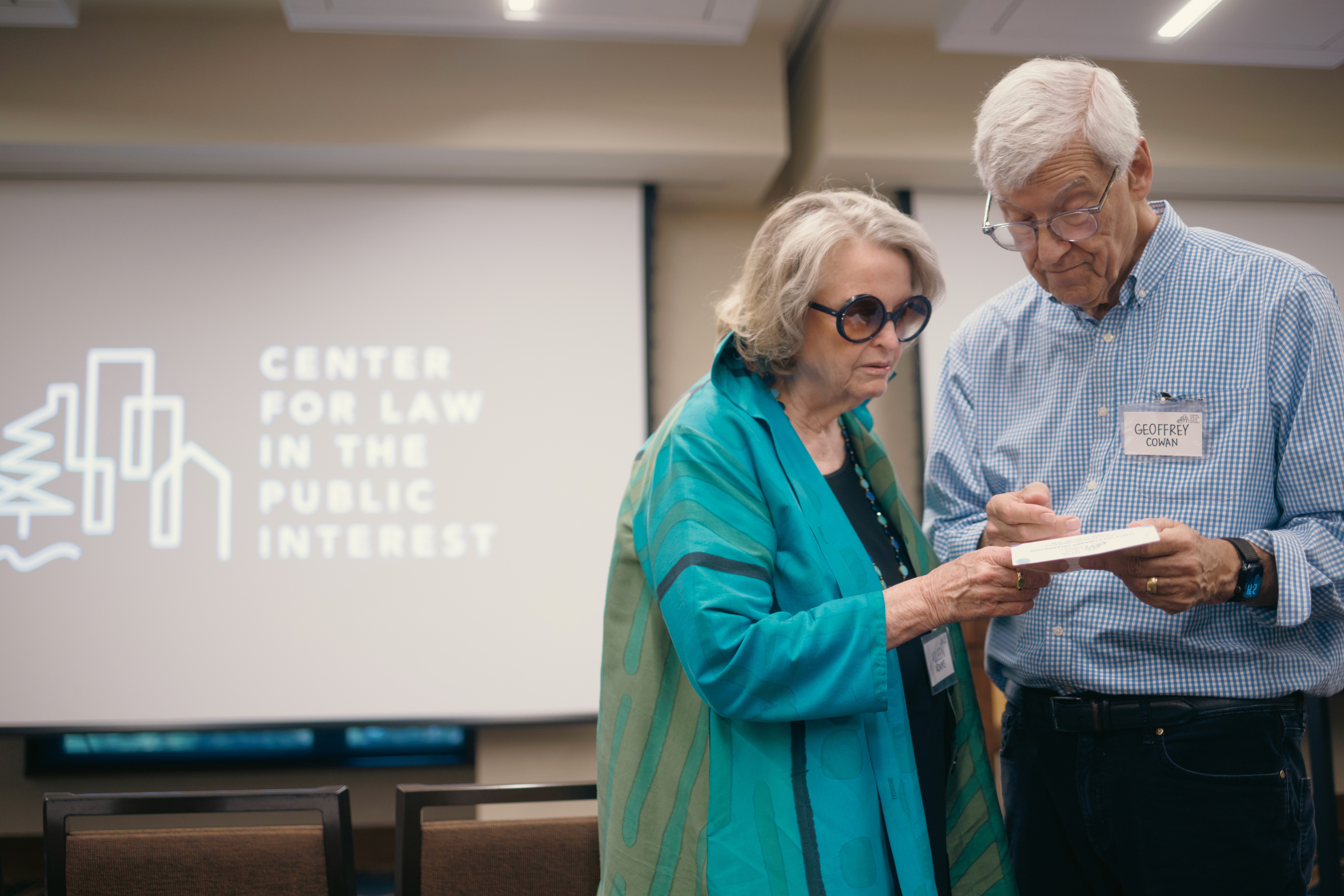

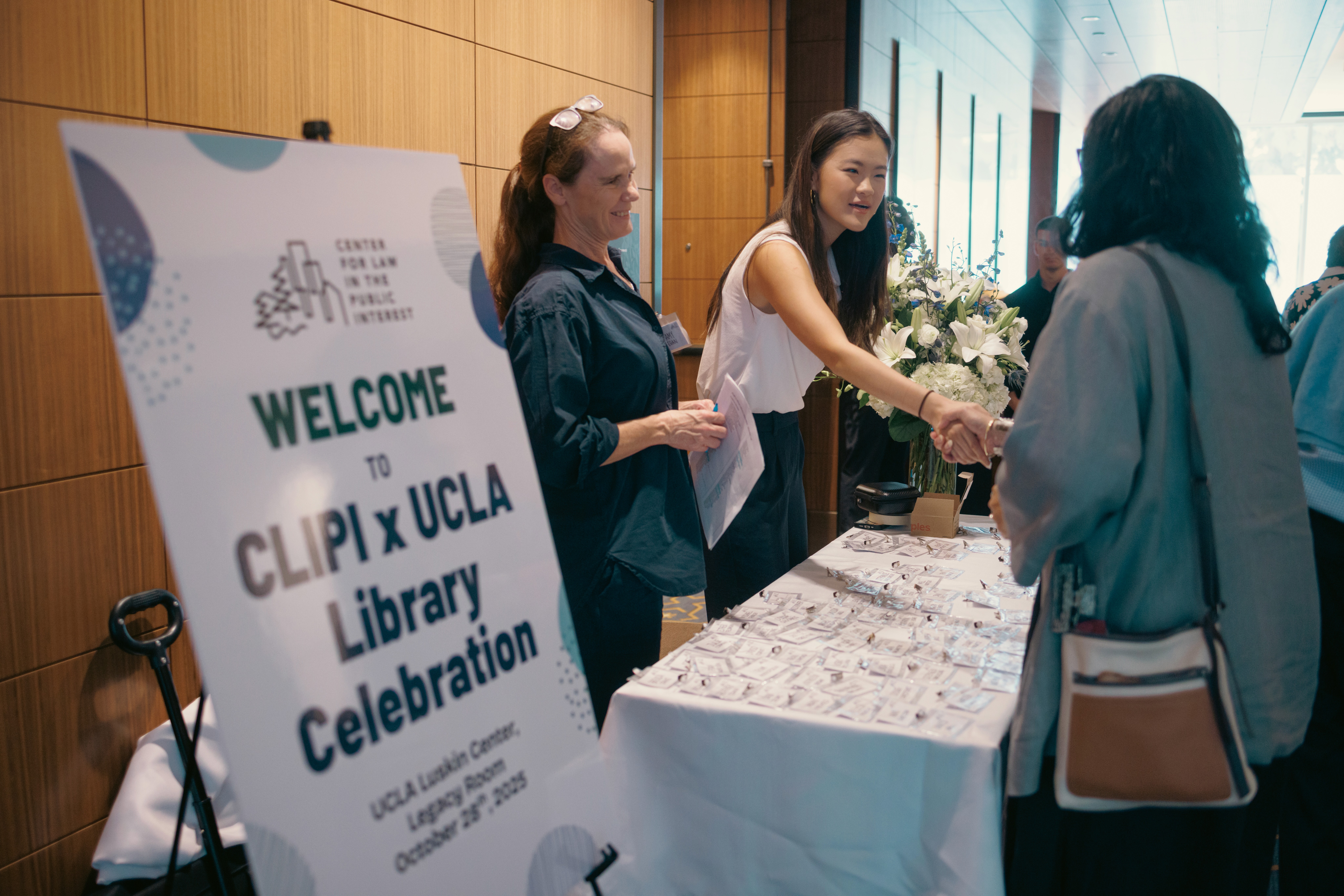
This CLIPI Legacy Celebration Event would not have been possible without the efforts of hardworking individuals shown below, who are still dedicated today to preserving and sharing CLIPI's mission.
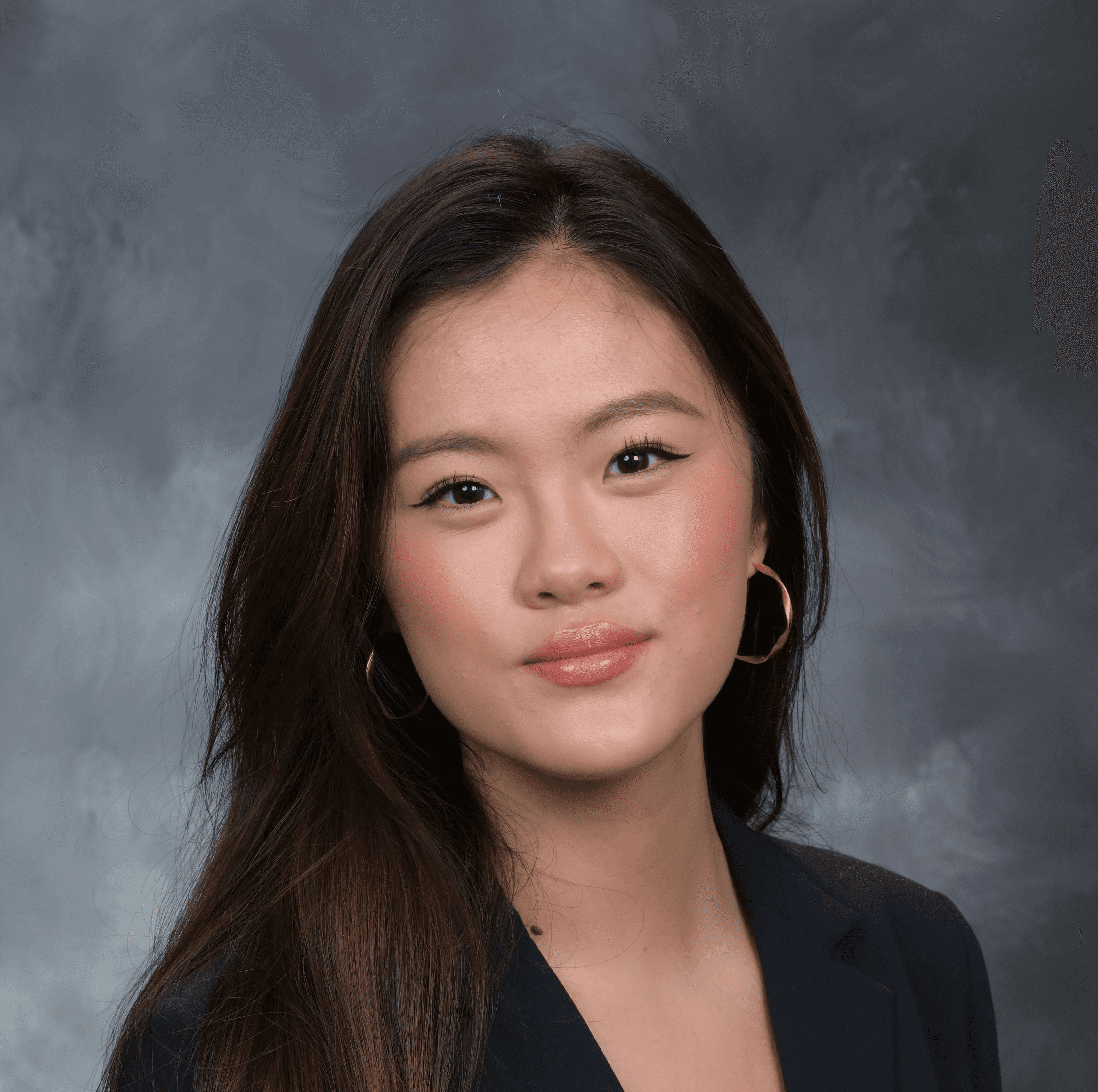
Amber Ju joined Carlyle Hall’s personal team in the summer of 2025. She helped complete the donation of CLIPI archives to the UCLA Library’s Special Collections. She also launched the CLIPI website and has been instrumental in the continuous updating of the website’s content.
Throughout 2026, Ju will assist Hall in the donation of additional archives to UC Irvine. She graduated Summa Cum Laude from the University of Southern California in May 2026. She will be applying to law school in 2026 and intends to begin her JD candidacy in 2027.
Amber Ju, Executive Assistant 2025-2026
Lila O’Leary began working with Carlyle Hall after graduating from Occidental College in 2024. She reviewed, organized, and digitized thousands of CLIPI case files, helping to preserve them for long-term public access. She also contributed to the development of CLIPI's website and assisted in planning the 2025 event celebrating the donation of the CLIPI archives to the UCLA Library.
O’Leary is currently a paralegal and, inspired by her time working with Carlyle’s archives, plans to apply to law school to pursue a career in public interest law.
Lila O'Leary, Executive Assistant 2024-2025
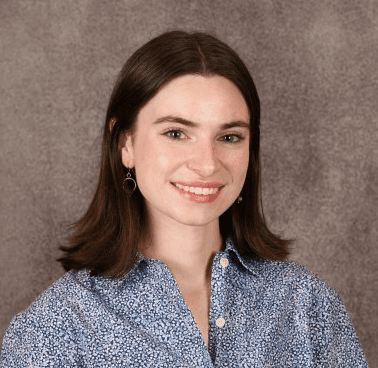
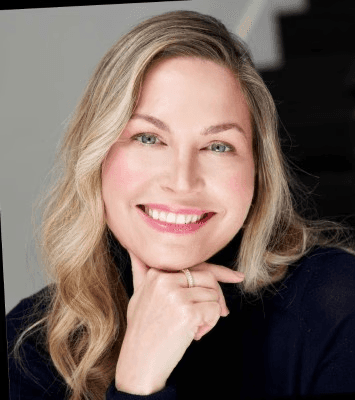
Jolene Abbott joined Carlyle Hall’s personal team in 2024 and has helped streamline the preservation of CLIPI’s legacy. She was crucial to the success of the CLIPI Legacy event at UCLA in October 2025. She expertly communicated with the UCLA Special Collections and Luskin Center teams before, throughout, and after the event.
Abbott’s role as CLIPI’s publicist has renewed the Center’s public presence, especially on social media.
Jolene Abbott, UltraViolet Consulting