
Environmental Protection
Friends of Ballona Wetlands v. California Coastal Commission
Case Summary
After five years of hard-fought litigation, CLIPI reaches a landmark settlement preserving the Ballona Wetlands, Los Angeles County’s last major coastal marsh. Some 250 acres of wetlands and related open space are located in an approximately 1,000-acre parcel long used by industrialist Howard Hughes as an aircraft manufacturing facility. When Hughes died, officials of his Summa Corporation proposed a huge new development on the site, including high-rise office buildings, extensive retails, hotels, residences and a marina. When the California Coastal Commission approved Summa’s Playa Vista plan, CLIPI went to court on behalf of the Friends of the Ballona Wetlands. Shortly after Maguire Thomas Partners becomes the lead developer, Nelson Rising, its then-project manager, agrees to preserve all key wetland areas, to fully restore the wetlands, and to dramatically reduce traffic and environmental impacts by completely redesigning the development project.
Additional Information
In the early 1980’s, the Summa Corporation unveiled its plans to develop one of the largest projects in Los Angeles history — a mini-city with some 7,000 residential units, 3,600 hotel rooms, and 1.5 million square feet of commercial and retail development — at the site of the former Hughes Aircraft manufacturing facility, where the famous “Spruce Goose” had been built during World War II. Notably, the 1,000-acre development site included roughly 250 acres of wetlands, of which only about 120 acres were proposed to be preserved, while a new road was to bisect them.

CLIPI went to court in 1984 on behalf of the Friends and other citizen groups, alleging that the approval of development in the midst of the wetlands violated the Costal Act. In 1989, Mafuire Thomas Partners took over control of the project and proposed to settle the litigation, agreeing to dramatically scale back the size of the project, to eliminate the controversial road through the wetlands, to construct a new freshwater marsh and to spend $12.5 million to restore essentially the entire salt marsh habitat. A total of 250 acres of wetlands and related pen space would now be preserved. Subsequent to the settlement and the successful establishment of the freshwater marsh, the State of California, in 2002, purchased the wetlands area and all portions of the 1000-acre parcel outside of Area D, the former location of the Hughes industrial facilities that were proposed then — and have now been fully built out — as the Playa Vista development. The State has been preparing environmental studies for the restoration of the wetlands and for the other still undeveloped areas on the site.
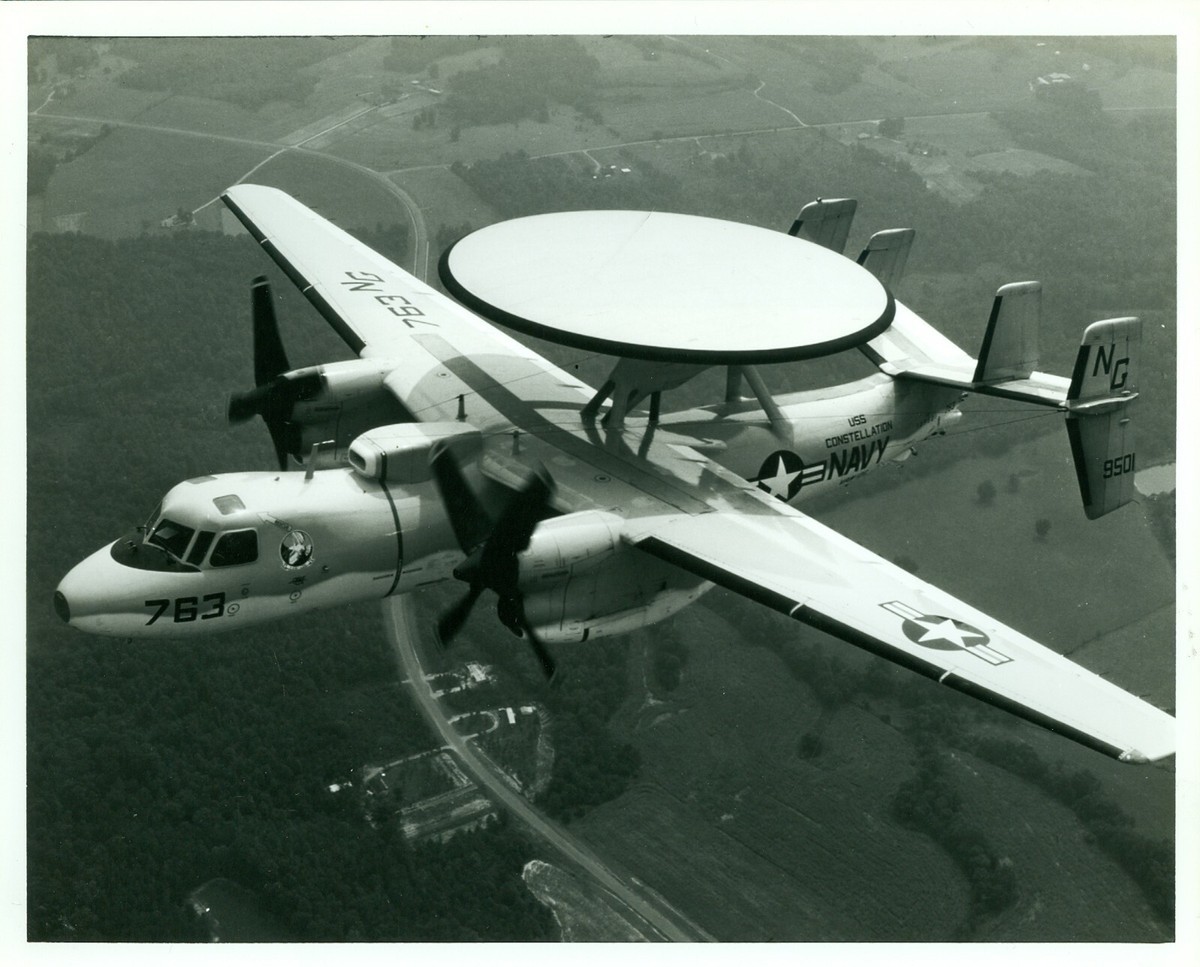
Springer v. Jones (Northrop)
Exposed Northrop’s global bribery practices, helping drive passage of the Foreign Corrupt Practices Act.
Read Story

Blake v. Los Angeles Police Dept.
Setting a nationwide example by forcing LAPD to end gender discrimination and set hiring goals for women officers.
Read Story

State of California v. Levi Strauss, Inc.
Created consumer trust funds as a legal basis to more efficiently distribute class action damages through nonprofit grants benefiting victims.
Read Story