Consumer Protection
Establishing Private Attorney General Doctrine
Case Summary
From its inception, CLIPI attorneys led the vital legislative and judicial reform effort to secure a robust “private attorney general” doctrine, authorizing courts to award attorney’s fees in successful public interest litigation that substantially benefits the public interest.
Additional Information
In the early 1970s, only a few federal statutes, like Title VII of the Civil Rights Act of 1964, expressly authorized courts to award fees to the prevailing public interest attorney. Initial efforts at the federal level to establish a court’s equitable power to award fees in successful public interest litigation under the “private attorney general” doctrine ended when the U.S. Supreme Court issued its 1975 Alyeska opinion determining that no such equitable authority existed.
Accordingly, CLIPI attorneys worked closely with the Senate Judiciary Committee as it was processing the Civil Rights Attorney’s Fees Award Act of 1976, to enact Section 1988 as the broad basis for fee awards to prevailing parties in successful federal civil rights litigation. In particular, CLIPI helped to draft the comprehensive legislative history report supporting a robust interpretation of Section 1988.
At the state level, CLIPI attorneys focused their efforts on both the courts’ statutory and equitable fee awarding powers. In the LA County general plan litigation, CLIPI successfully obtained a court awarded fee under the “substantial benefit doctrine,” the equitable doctrine that was the precursor to the private attorney general doctrine. Concurrently, CLIPI attorneys worked closely with California state legislators to promote enactment of Civil Procedure Code section 1021.5, codifying the private attorney general doctrine in state court cases. CLIPI attorneys then successfully sought judicial opinions supporting fee awards in a wide variety of private attorney general doctrine situations where “important rights” (such as environmental protection and civil rights) are enforced, and significant public benefits are achieved. CLIPI also obtained the California Supreme Court’s ruling that private attorney general doctrine fees should be based on the market value of comparable private sector attorneys (not some discounted market rate) and that all hours reasonably spent should be compensated.
CLIPI itself became particularly successful in obtaining court-awarded fees. Under early IRS restrictions, public interest law firms (PILFs) could receive only court awarded fees (not fees paid by a client) and even then, up to only one half of its budget. By the late 1970s, CLIPI had obtained more court awarded fees than all other PILFs nationally combined, and CLIPI successfully obtained an IRS ruling allowing it to receive fees beyond those allowed by the normal IRS limits. Throughout the 1980s and 90s, CLIPI continued to obtain fee awards supporting much of its legal work. CLIPI’s essential work establishing a vigorous “private attorney general” fee doctrine has ensured that, to this day, a huge revenue stream supporting public interest law — and paid for by the entities who violated important laws — would continue to support public interest litigation.

Friends of Mammoth v. Mono County Board of Supervisors
Forced agencies to prepare environmental impact reports before greenlighting potentially harmful private development projects.
Read Story

Springer v. Jones (Northrop)
Exposed Northrop’s global bribery practices, helping drive passage of the Foreign Corrupt Practices Act.
Read Story
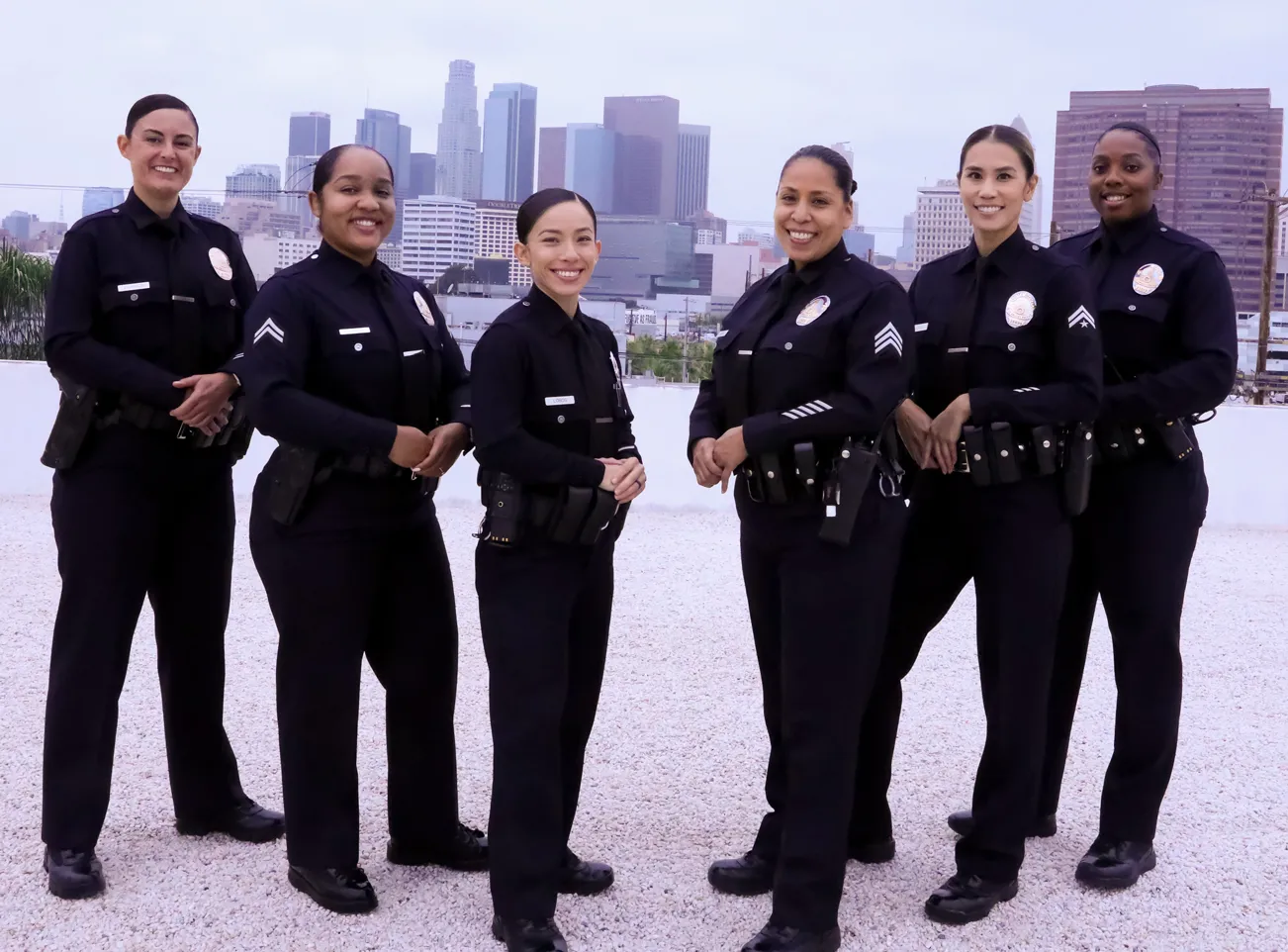
Blake v. Los Angeles Police Dept.
Setting a nationwide example by forcing LAPD to end gender discrimination and set hiring goals for women officers.
Read Story