Championing Justice. Advancing Communities.
Protecting air, land, and civil rights through strategic litigation and policy advocacy since 1972.
Who We Are
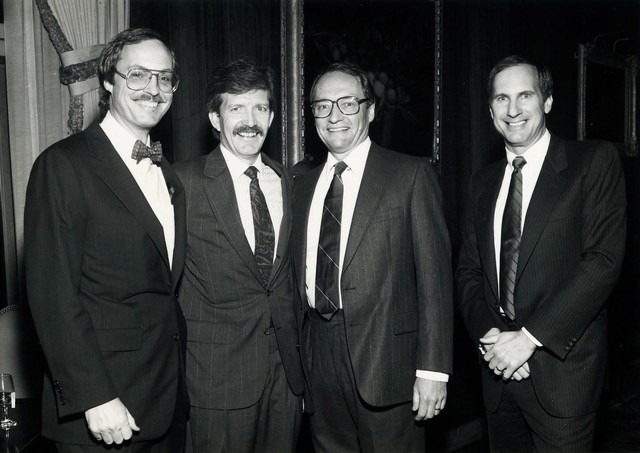
During its approximately 35 years of public interest law operations (1972-2007), the Center for Law in the Public Interest (“CLIPI”) instituted several hundred cases whose cumulative effects significantly changed the legal, socio-economic and political landscape of Southern California, the state and the nation. Among other things, CLIPI led the legal fight establishing California as a leader in environmental regulation and urban planning; safeguarding civil rights and civil liberties for minorities and women, including the least powerful and most desperate; cleaning up our air and securing public parks and open space lands; discouraging nuclear power; and protecting consumers and government itself from corporate corruption.
Beyond its specific legal victories, CLIPI prioritized securing critical long-term funding resources for public interest legal activities – funding resources that are still very much in place today. In this regard, CLIPI attorneys played a key role in successfully establishing the “private attorney general doctrine” as the principal means of securing many millions in court-awarded attorney’s fees in successful public interest cases; securing almost $1 billion in publicly issued bonds as a once-in-a-generation investment in Los Angeles public parks and open space acquisitions; convincing the California Supreme Court to approve the now-codified “consumer trust fund” mechanism to distribute class action damages in consumer protection cases; and drafting and promoting Congress’s enactment of the False Claims Act whose provisions have resulted in more than $40 billion in fraudulent corporate billings being recovered by the federal government and by reporting whistleblowers.
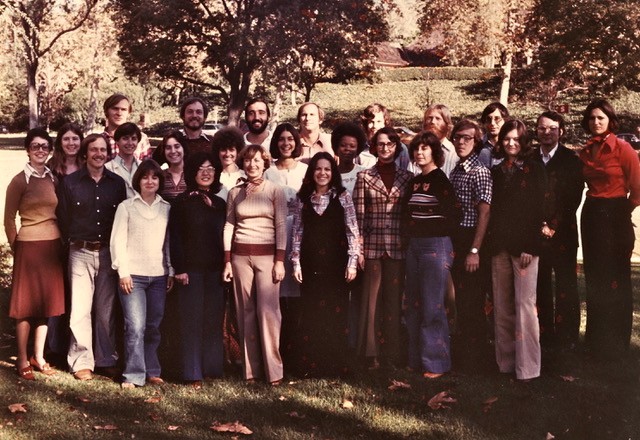
Not least in its legacy, CLIPI served as the initial launching pad for dozens of bright young attorneys interested in public interest careers. CLIPI’s staff attorneys, fellows and law students interns from UCLA and other schools have gone on to accomplished careers, becoming leaders in other public interest law firms, academic scholars, teachers and deans, and serving in important positions at federal, state and local government agencies.
Legacy Gift to UC Library's Special Collections
UC Library has chosen to take into its special collections department about 50 of CLIPI's cases and activities, based on their general importance to the development of public interest law and their specific impacts in Southern California. Legacy Preservation Foundation, CLIPI’s successor in interest to its legal archives, has recently gifted the files from those cases and activities to the UCLA, UC Irvine, UC Berkeley and UCSD special collections units, where they will be publicly available for research and study. This website is intended to complement the gift of the physical archives.
Short summaries of selected CLIPI cases, short bios of the attorneys working on those cases, and digitized copies of important case documents (e.g., complaints, briefs, trial court opinions) and news articles from the time are posted on this website.
CLIPI x UCLA Library Celebration Event
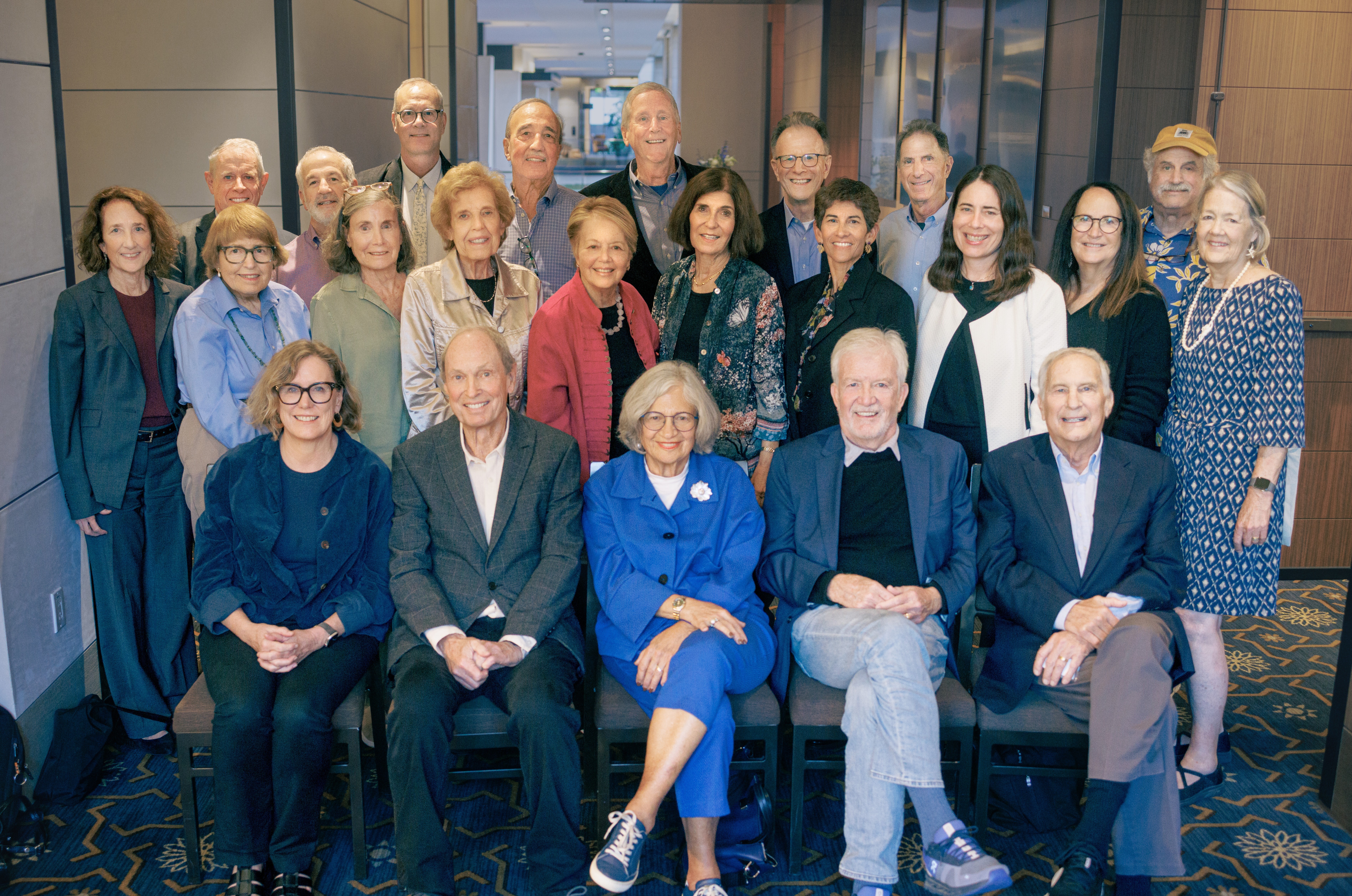
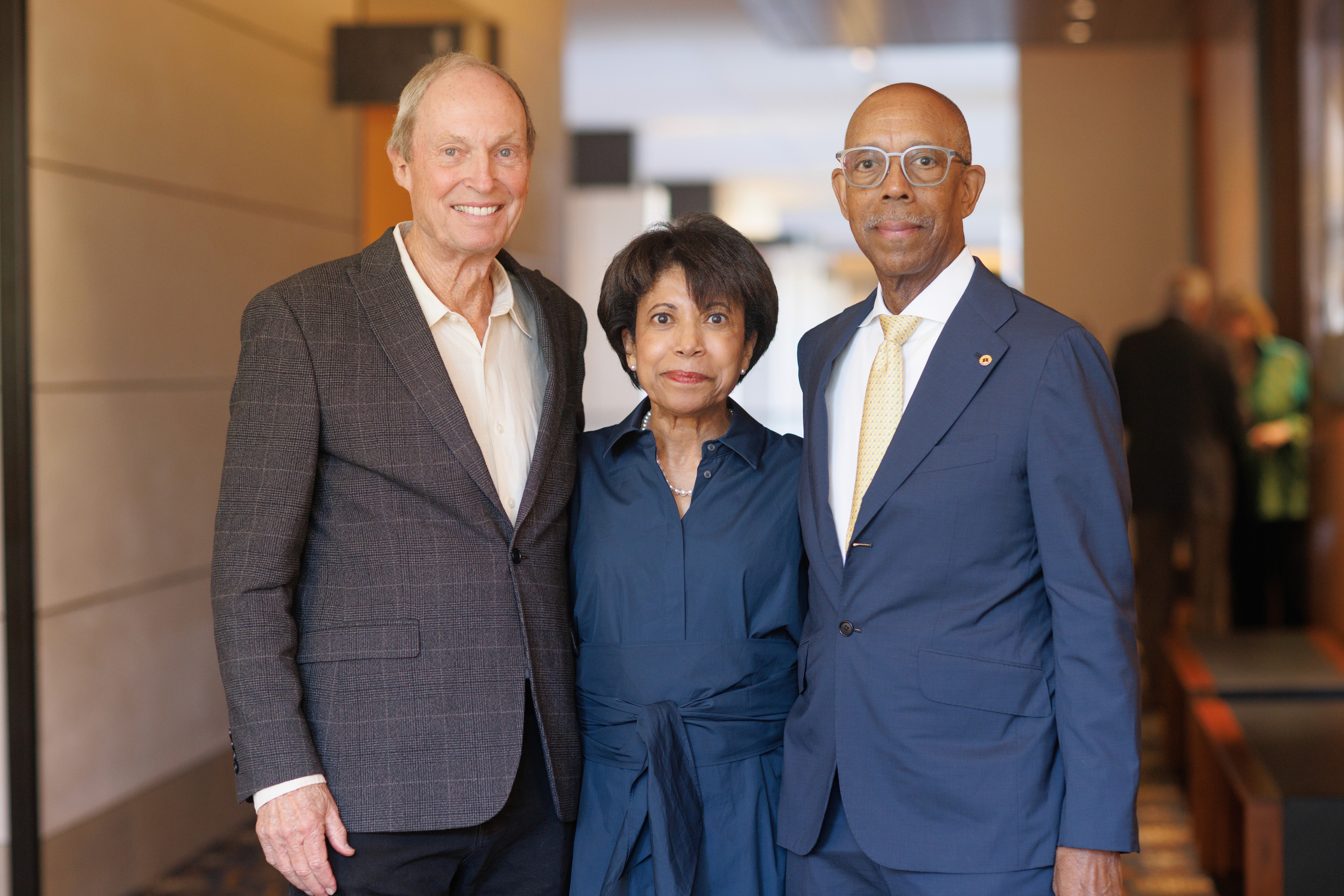
As part of the CLIPI gift to the UCLA Library Special Collections, Carlyle Hall, co-founder of CLIPI, and Brenda Jackson Drake and Michael Drake, President Emeritus of the University of California, co-hosted a celebration in the UCLA Luskin Conference Center’s Legacy Room on October 28th, 2025. This event celebrated CLIPI’s legacy and commemorated the donation of 365 boxes of CLIPI legal documents and case materials to UCLA. Many CLIPI alumni were in attendance. This celebration included two panels that highlighted the importance of CLIPI, then and now, emphasized the importance of the archived collections, and discussed the evolving role of public interest lawyers inside and outside the government.
In the first panel — moderated by Professor Geoff Cowan of the University of Southern California’s Annenberg School — UC Berkeley Law Dean Erwin Chemerinsky, and Loyola Law Professor Dan Selmi discussed how the CLIPI archives will be significant for researchers, litigators, and policymakers. Reflecting on the sheer amount of landmark cases in this gift, this panel highlighted the tremendous changes that CLIPI led, through both litigation and legislation. Besides CLIPI’s pioneer environmental justice work, the Center played a critical role in training multiple generations of public interest lawyers.
Mary Nichols, the former chair of the California Air Resources Board, moderated the second panel. Felicia Marcus, the former chair of the California Water Resources Board, and UCLA Law Professor Ann Carlson joined Mary in conversation about the challenges faced by public interest lawyers who enter into governmental work. Emphasizing the importance of patience and endurance in the face of political setbacks, the panelists described how, beginning at CLIPI, they had kept their public interest goals at the heart of their careers.
Select photos and quotes from the event can be found on the Celebration page of this website.

“The CLIPI cases fit into a legacy that represents a better idea of California itself. They’re the significant building blocks of a better California.”
Kevin Starr, Former California State Librarian (remarks at CLIPI's 30thAnniversary Dinner, 2002)
When presented with the hundreds of boxes comprising the CLIPI archives, the UC Library’s Special Collections confronted the necessity of narrowing down the list of cases to those which it could practically take into its repository. After several months of review, the UCLA library specialists determined that UCLA would take some 365 boxes comprising about 50 cases into its collections, while UC Irvine would take in 55 boxes (three cases where Orange County was the venue), UC Berkeley would take in 5 boxes (the Levi Strauss case files) and UC San Diego would take in one box (involving the San Onofre nuclear power plant).
The CLIPI cases and activities that the UC Library selected are described in Exhibit A to the Deed of Gift. See the full list of Exhibit A Cases and Activities by clicking here.
Separately, Loyola Marymount University has agreed to take in some 20 boxes of Ballona Wetlands litigation files into its Special Collections, and the Claremont Colleges library will house about 20 boxes of CLIPI’s litigation records involving its Carnegie Library building and site. Fully 92 boxes relating to CLIPI’s challenge to the issuance of an operating permit for the Diablo Canyon nuclear power plant have previously been transferred to the California Polytechnic State University San Luis Obispo Library Special Collections.
This section describes selected CLIPI cases that have been donated to the above libraries. Each entry includes a short description of the case and additional materials including photos and maps, selected news clippings about the cases, and links to the issues of CLIPI’s newsletter, Public Interest Briefs, that, over the years, reported on that case. Some digitized material, such as the original complaint, trial briefs, trial court opinions, and correspondence can be found on the entry pages as well. Original, non-digitized copies of all other case materials can be found at the above libraries.
This website is still very much in the process of development, refinement and fine-tuning. If you have materials relating to any of these cases that may be of interest to a broader group, please submit scans in an email to CLIPILegacy@gmail.com.

“The people of the Center have protected the environment; fought for humane urban planning and intelligent land use; for the rights of women and minorities; they have forced open the door to employment and housing and government.”
Mario Cuomo, Former Governor of New York (remarks at CLIPI's 15th Anniversary Dinner, 1987)
CLIPI Alumni
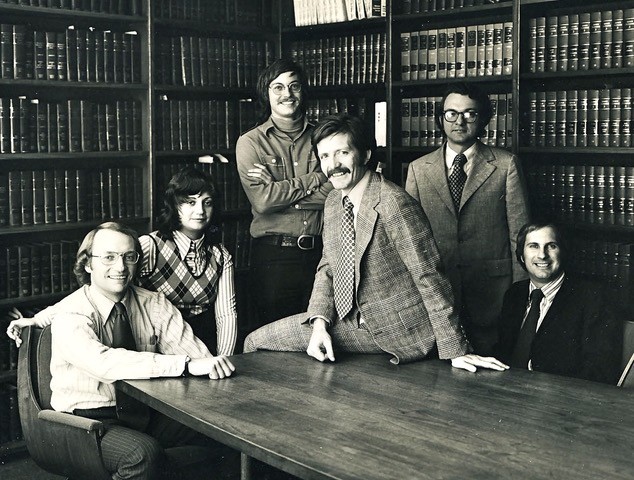
CLIPI was launched in early 1972, after its co-founders left their promising jobs at the highly regarded O’Melveny & Myers firm in order to start a new public interest law firm. At the time, there were no public interest law firms in Los Angeles and only a handful in America, principally located on New York and Washington D.C.
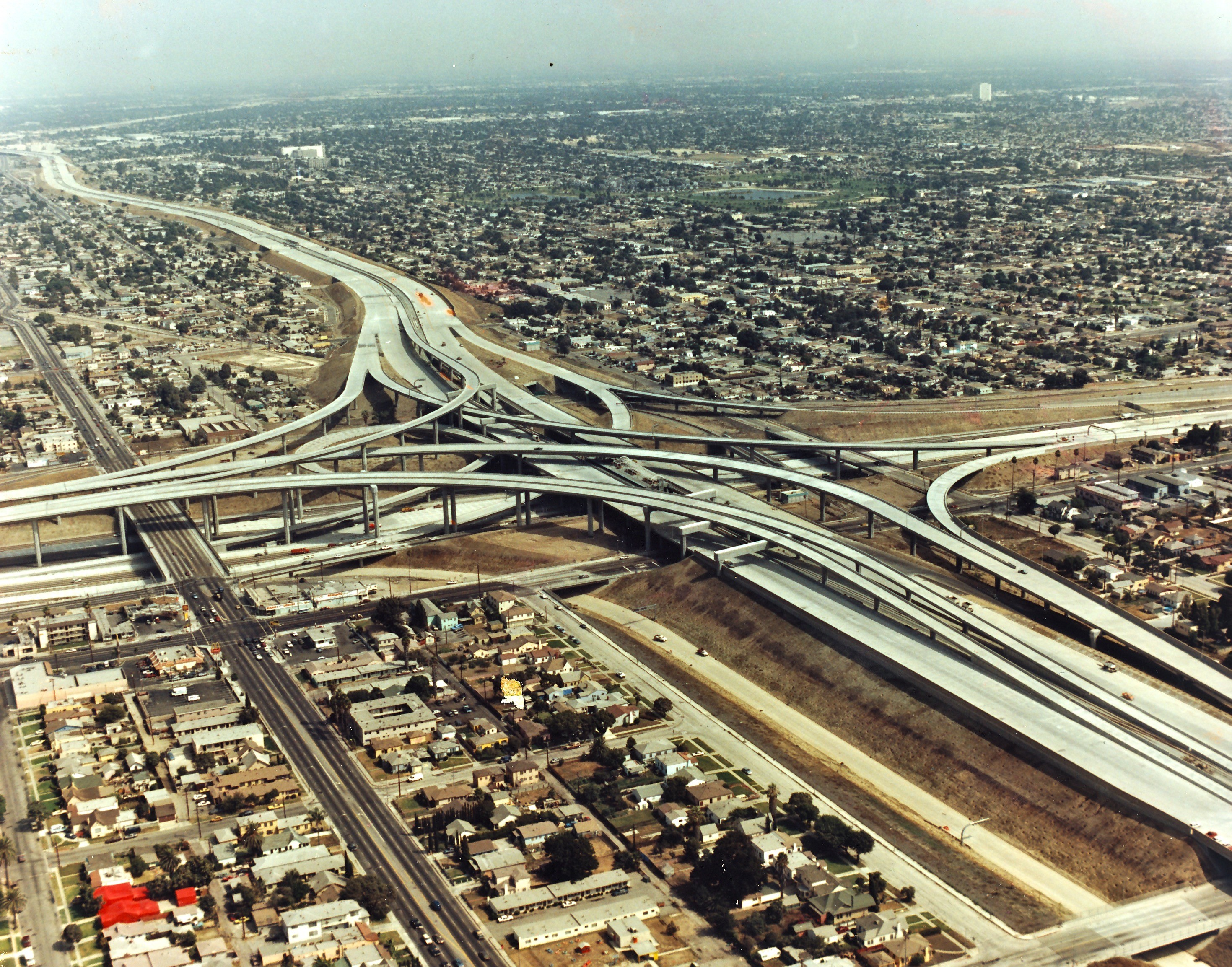
The co-founders initially reached out to the Ford Foundation which had recently announced that it planned to fund about half a dozen new public interest firms nationally. Ford had planned to commit its start-up money on the west coast to a different start-up firm, Public Advocates, in San Francisco. Undeterred, the CLIPI co-founders left their jobs and began to raise money locally. After Ford again rebuffed their renewed efforts, the CLIPI co-founders raised sufficient funds from other sources that, six months later, Ford agreed to fund the remaining critical startup monies. CLIPI opened its doors in early 1972 and, as its first case, initiated the Century Freeway litigation
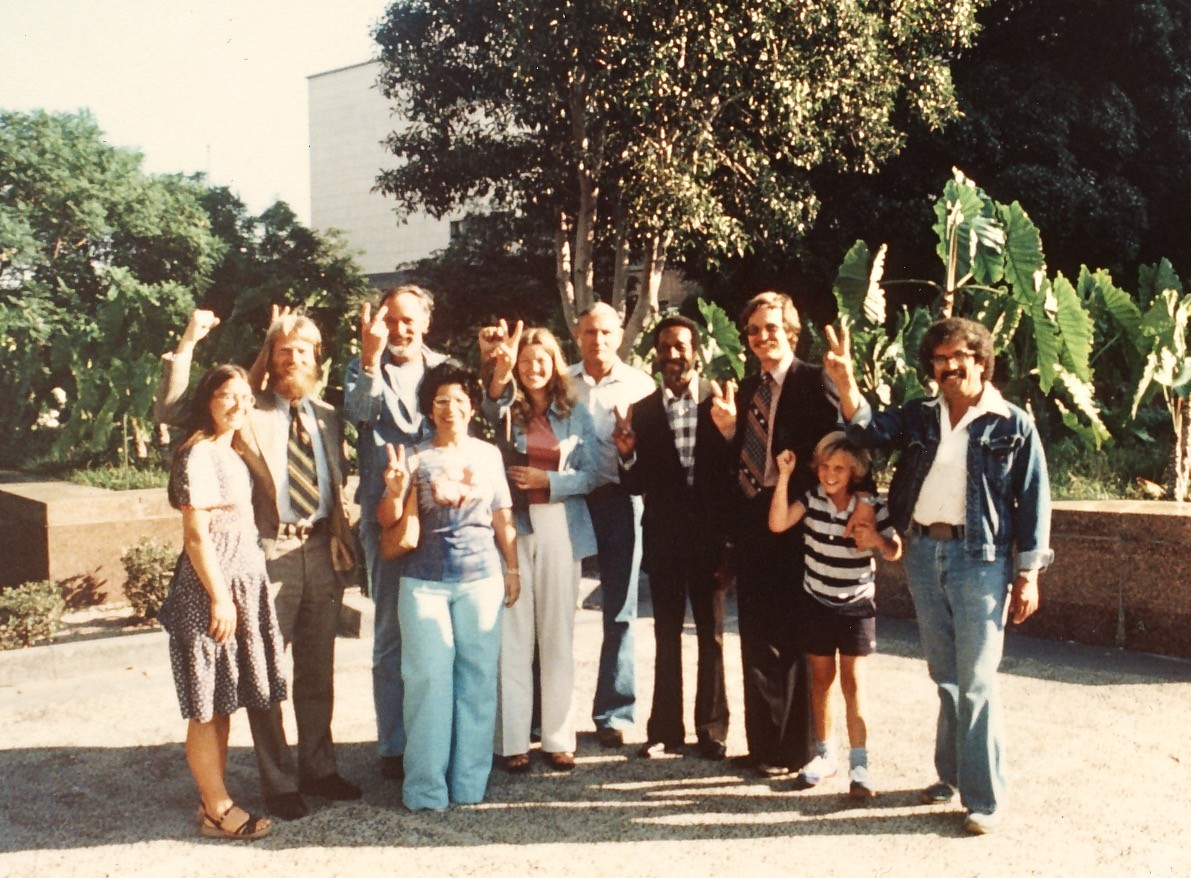
From its inception, CLIPI added to its core legal team by recruiting some of the best and the brightest young law students from all over the country. After contributing their substantial brainpower and legal talent to the CLIPI litigation effort, these CLIPI lawyers have lead highly accomplished legal careers in academia, in government and in public interest law. For many of the alums, their CLIPI activities and their subsequent careers are described here.
This section highlights profiles of selected alumni of CLIPI and its successor firms. Each alum's page includes "then and now" photos, the work of the alum on CLIPI cases and the alum's subsequent career highlights.
Due to time constraints and information gaps, we have not been able to include all alums. Because this website is still in the process of development, we would very much appreciate your contributions. If you have additional photos or information to contribute to alumni profiles of those currently profiled or others yet to be profiled, please submit details in an email to CLIPILegacy@gmail.com.


